Why Eyelid Surgery Is Not Cosmetic Surgery
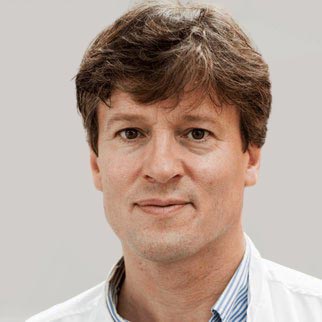
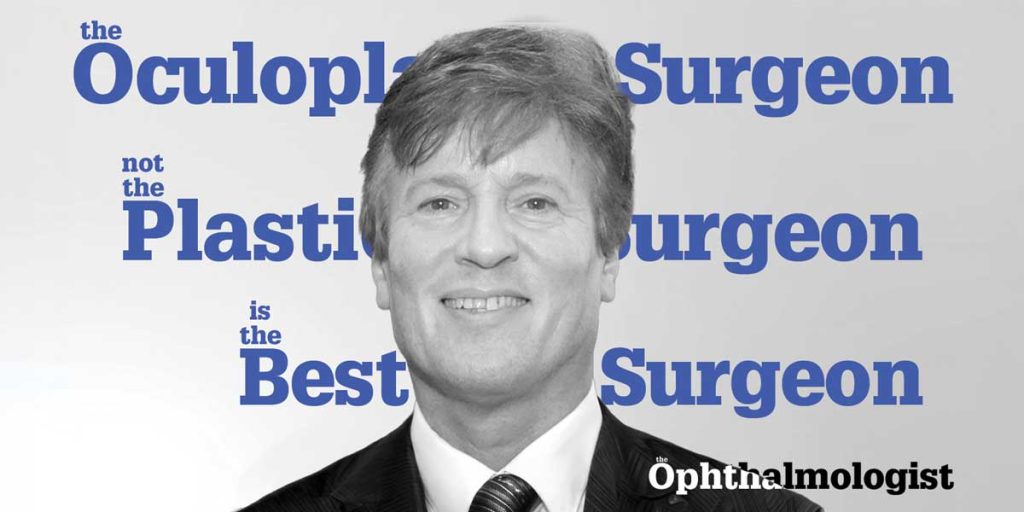
Blepharoplasty – whether it’s performed in Zurich, London or Los Angeles – is often described as a “cosmetic” procedure. However, a recent article in The Ophthalmologist by ELZA’s Consultant Ophthalmoplastic Surgeon, Dr. Dion Paridaens, MD, PhD, argues that this description is incomplete. Eyelid surgery sits at the intersection of vision, ocular surface health, and facial anatomy. Treating it purely as cosmetic overlooks the essential functional role of the eyelids and the clinical expertise required to operate safely in this region.
The article, titled “Eyelid Surgery Is Not Cosmetic Surgery,” explains why procedures such as blepharoplasty should be understood as functional interventions that directly influence eye comfort, tear film stability, and visual quality.
Blepharoplasty Is More Than Cosmetic Surgery
When eyelid surgery is discussed, the focus is often on aesthetic concerns such as tired eyes, excess skin, or facial rejuvenation. While these aspects matter to patients, the eyelids themselves are not passive structures. They are dynamic organs that protect the ocular surface and maintain tear-film stability.
Each blink is a coordinated neuromuscular action involving eyelid muscles, nerves, and connective tissue. Even subtle changes in eyelid position can affect corneal exposure, tear evaporation, and ocular comfort. For this reason, blepharoplasty is not simply a cosmetic procedure. It is surgery performed in one of the most delicate functional regions of the body.


The Functional Role of the Eyelids
The eyelids are part of a complex system that includes the ocular surface, lacrimal glands, extraocular muscles, and orbital structures. These components work together to protect the eye and maintain visual clarity.
Conditions such as dermatochalasis (hooded eyelids) may impair the superior visual field and disrupt normal eyelid function. Similarly, lower eyelid surgery must preserve eyelid support and tear-film distribution to prevent postoperative irritation or exposure symptoms.
As Dr. Paridaens notes in the article, even a few millimetres of overcorrection or undercorrection during eyelid surgery can produce lasting consequences for ocular comfort and visual function.
Why Oculoplastic Expertise Matters
The distinction between cosmetic surgery and oculoplastic surgery becomes particularly important in blepharoplasty. Oculoplastic surgeons begin their training as ophthalmologists, meaning their clinical background includes eye disease, ocular surface disorders, lacrimal system pathology, and microsurgery.
Before performing elective eyelid procedures, oculoplastic specialists routinely treat conditions such as dry eye disease, eyelid malposition, exposure keratopathy, and orbital disorders. This training influences how surgery is planned and executed.
When an oculoplastic surgeon performs blepharoplasty in Zurich – or elsewhere – aesthetic goals are balanced with careful consideration of blink mechanics, tear-film stability, and long-term ocular health.


Why Surgical Experience Matters
Eyelid surgery is unforgiving. Tissue reserves are limited, revision surgery can be complex, and the margin for error is small. Complications such as lagophthalmos, lid retraction, postoperative dry eye, or ocular irritation can significantly affect quality of life and are often difficult to reverse.
Preventing these outcomes requires more than technical skill. It requires a deep understanding of ocular physiology and extensive surgical experience within the periorbital region.
This perspective underpins the clinical approach to blepharoplasty Zurich at specialised oculoplastic centres, where surgical planning prioritises both aesthetic improvement and the preservation of ocular health.
Conclusion
Choosing an experienced oculoplastic surgeon for your eyelid surgery ensures you are in the hands of a true specialist who combines the art of cosmetic enhancement with the science of eye health.
At ELZA, Dr. Dion Paridaens MD, PhD, is one of the most experienced oculoplastic, lacrimal and orbital surgeons in the world. With over 35,000 oculoplastic and 2,000 orbital procedures performed to date, Dr. Paridaens brings unparalleled expertise to his practice. Annually, he performs approximately 720 oculoplastic, 300 lacrimal, and 200 orbital procedures, and he’s the immediate Past President of the European Society of Ophthalmic, Plastic and Reconstructive Surgery. It’s important to understand just how much experience counts towards the best medical and cosmetic outcomes. His work is part medicine, and part work of art, and there’s nothing amateur about it, just professional excellence.