
Scleral lenses for advanced keratoconus: an alternative to transplant surgery
Back in 2019, a patient stepped through our doors, seeking a second opinion. She had keratoconus—a condition where the cornea, the clear front surface of

Back in 2019, a patient stepped through our doors, seeking a second opinion. She had keratoconus—a condition where the cornea, the clear front surface of

Join us at #ESCRS2023 in Vienna! ELZA’s top surgeons & researchers will present the latest in ophthalmic treatments. Dive deep into innovation with us! ????????️ #ELZA at #ESCRS

The International Intraocular Implant and Refractive Society of India (IIRSI) held its annual meeting in Chennai, India in 2023, attracting over 3,000 eye care professionals

Our philosophy at the ELZA Institute is that we don’t just use modern ophthalmology, we develop it, and this sentiment guides all of our work,

During an Orbital Society meeting in Leuven on May 12, 2023, ELZA consultant orbital surgeon, Dr Dion Paridaens, joined the prestigious International Orbital Society as

The ELZA Institute hosted a highly anticipated educational event and Apéro Riche for Swiss optometrists on June 5, 2023, setting the stage for an enlightening evening of learning and networking.
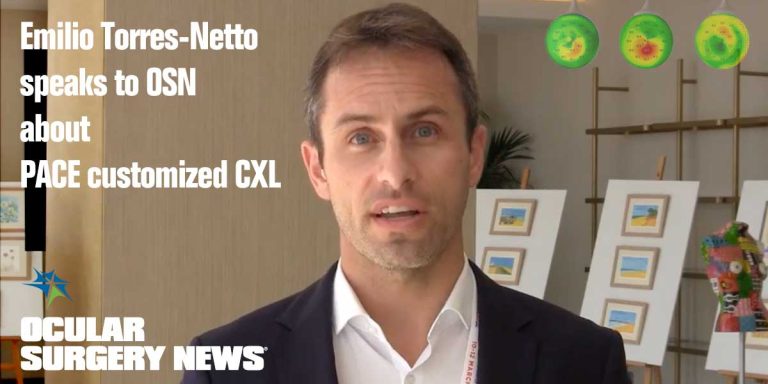
Emilio Torres-Netto, MD, PhD spoke to Ocular Surgery News about the data he presented at the Winter ESCRS 2023 meeting in Vilamoura, Portugal. He presented

Prof. Farhad Hafezi, Medical Director of the ELZA Institute, was an invited speaker at the International meeting of the Jordan Ophthalmological Society (JOS) 2023 earlier

In May 2023, Prof. Farhad Hafezi, Medical Director of the ELZA Institute, had the honor of participating as a keynote speaker at the SECOIR 2023 meeting

ELZA’s Medical Director, Prof. Farhad Hafezi, and ELZA’s CEO, Nikki Hafezi, presented remotely at the CXL Experts’ Summer Meeting 2023, held during the Vision China
