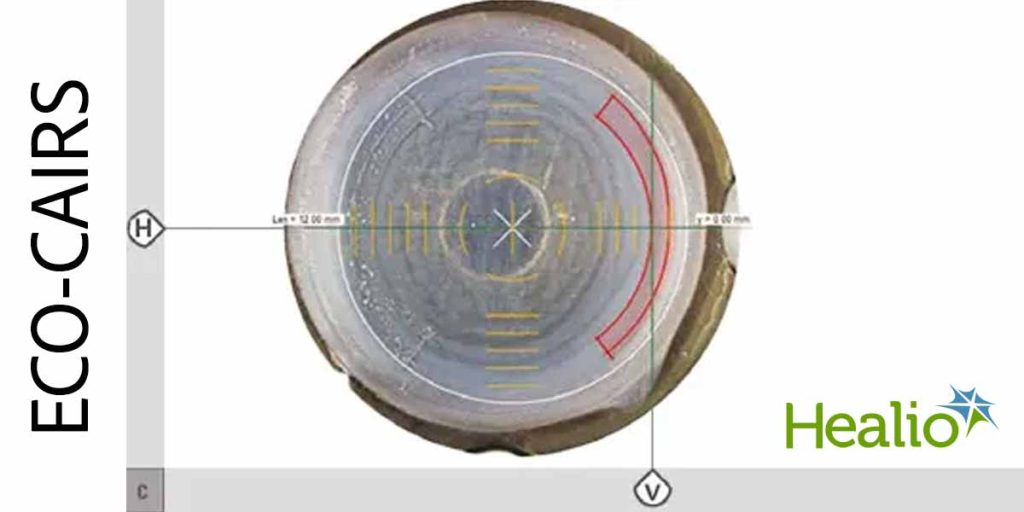
Recent coverage in Healio highlights the growing clinical interest in corneal allogenic intrastromal ring segments (CAIRS) as a tissue-based alternative to synthetic ring segments for keratoconus and corneal ectasia. Within this evolving field, Prof. Farhad Hafezi, MD, PhD, FARVO, Medical Director of the ELZA Institute, has contributed a distinct biomechanical and translational perspective through the development of ECO-CAIRS (Extracorporeal Optimization of Corneal Allogenic Intrastromal Ring Segments).
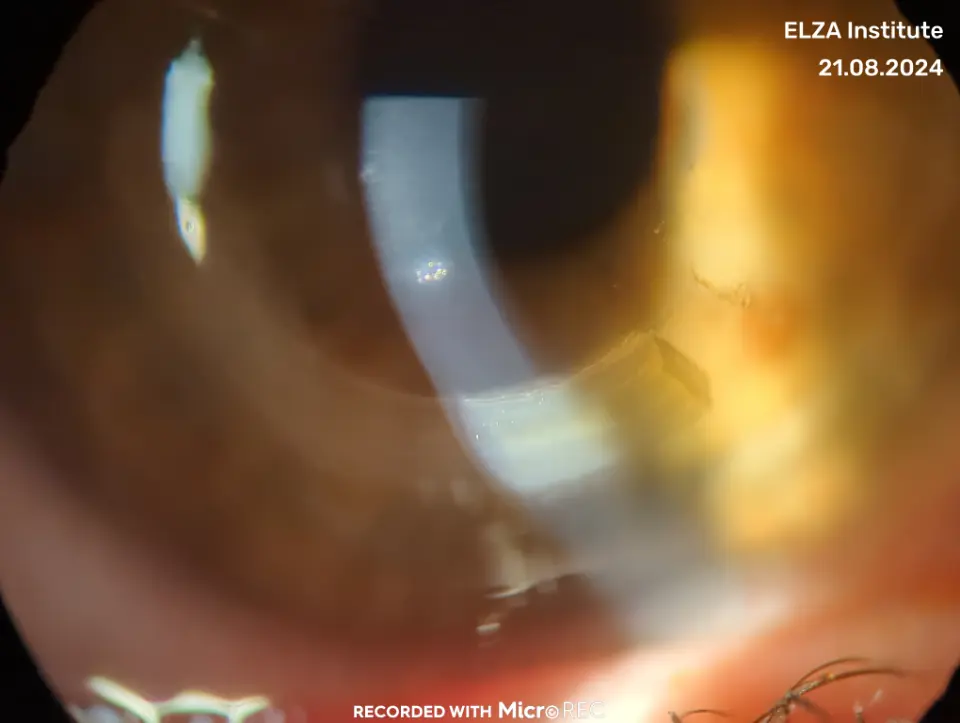
CAIRS were originally introduced as a mid-stromal, additive lamellar approach designed to regularize the cornea without inducing the stress concentrations associated with PMMA ring segments. As discussed in the Healio report, the use of human donor tissue allows for more physiologic interaction with the host cornea, reducing risks such as extrusion, migration, and stromal melt.
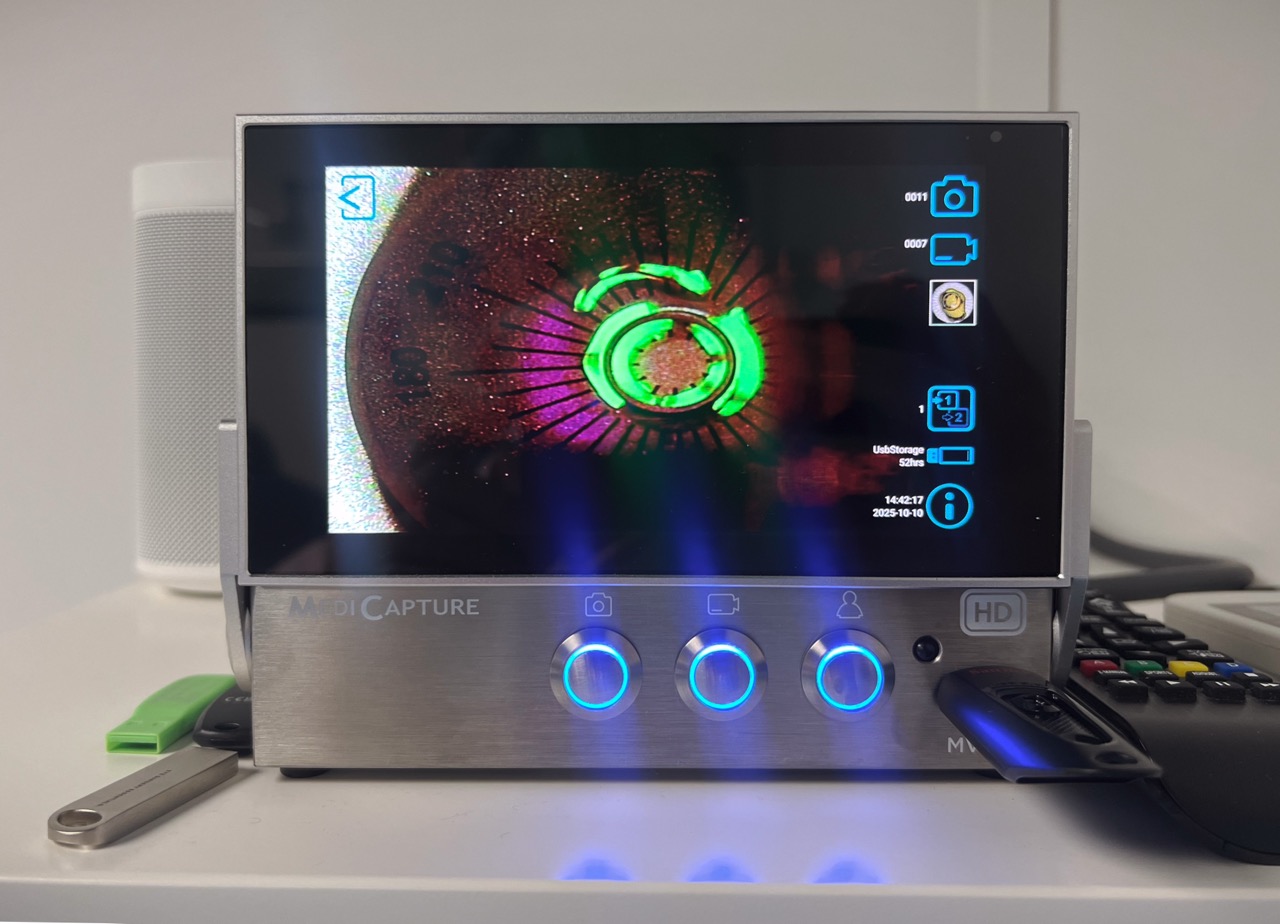
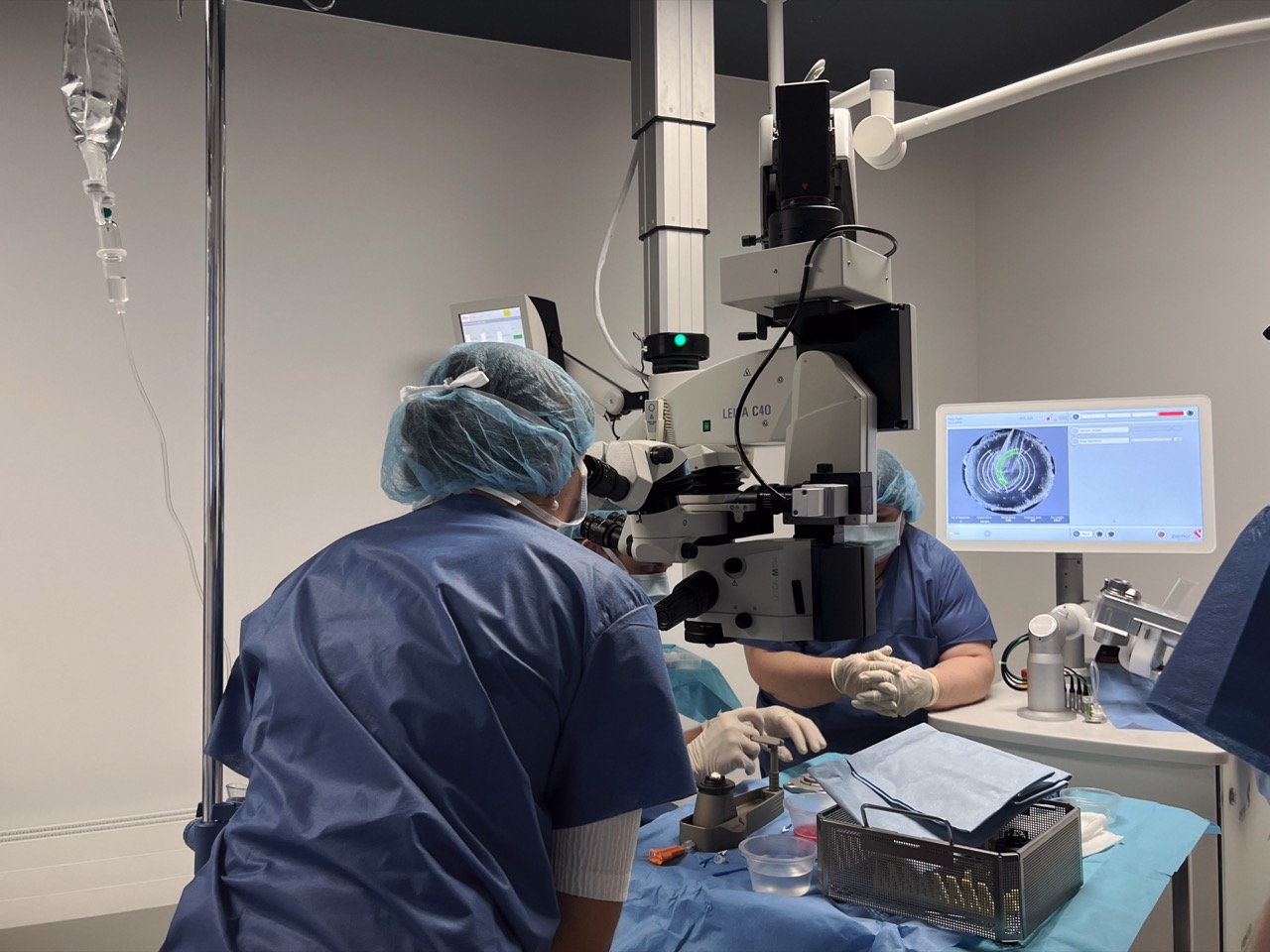
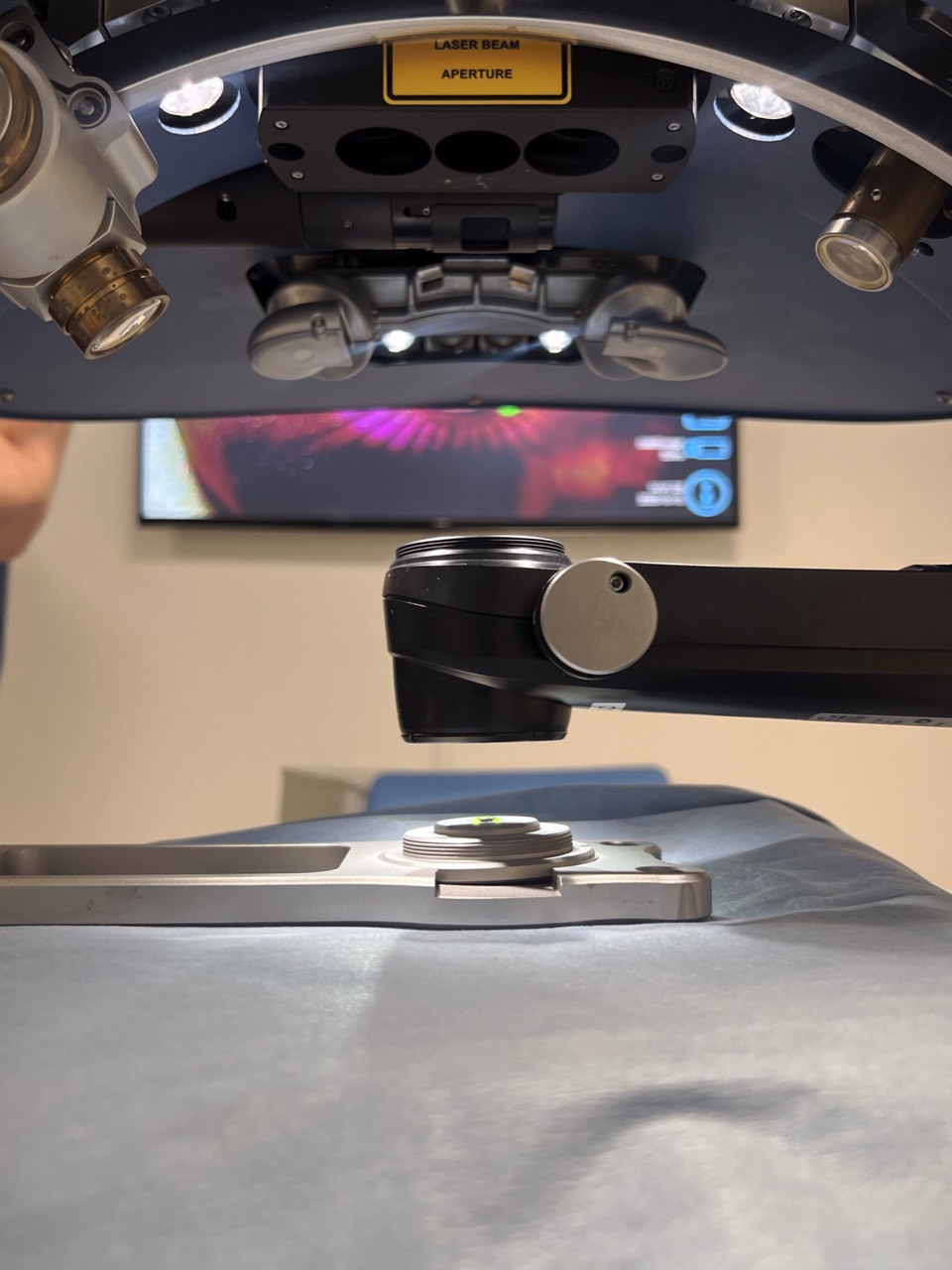
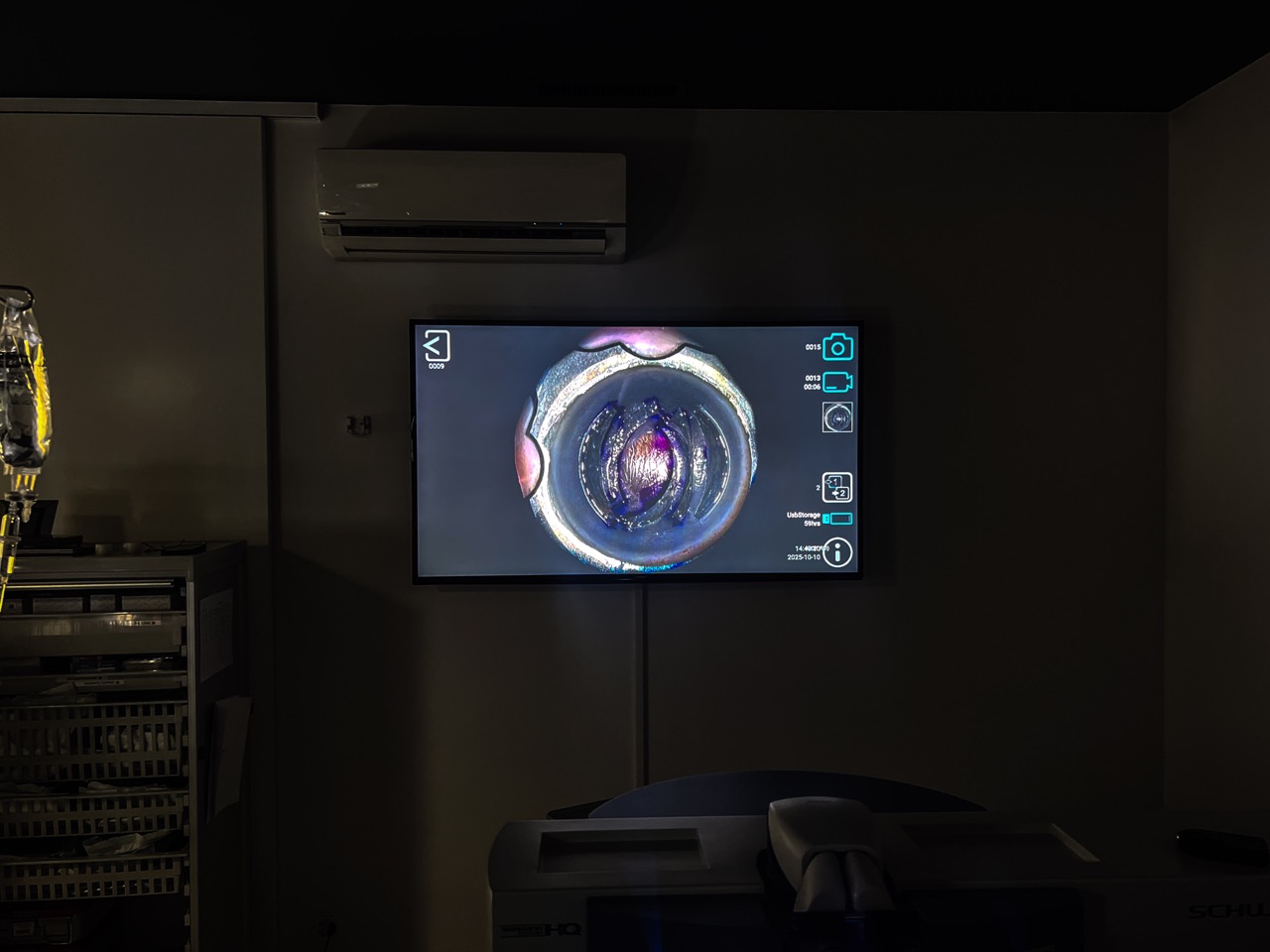
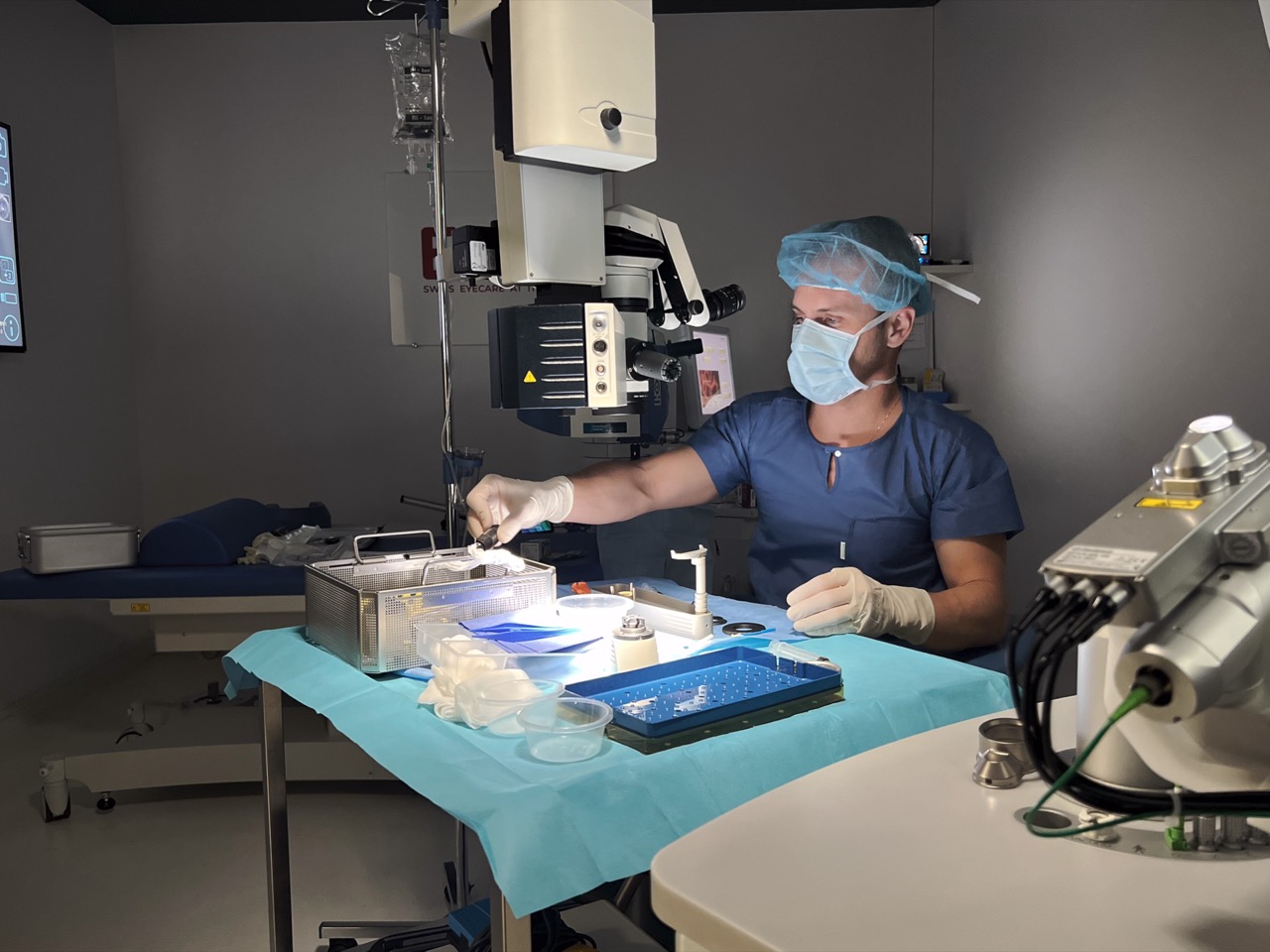
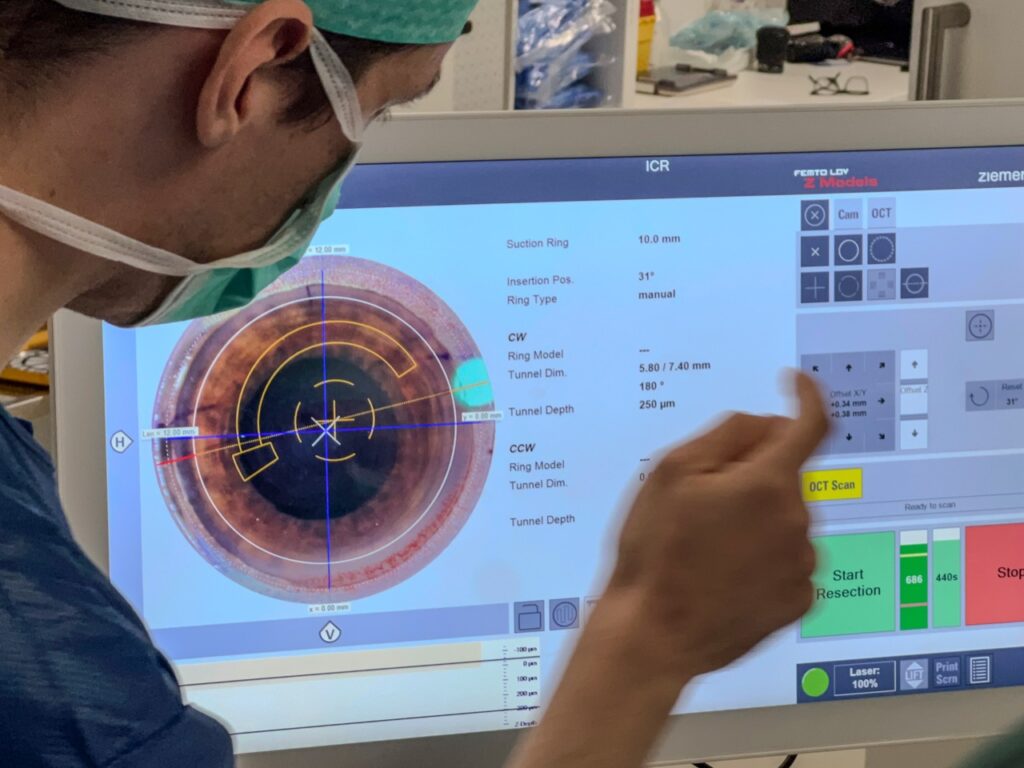
Building on this foundation, Prof. Hafezi introduced ECO-CAIRS as a strategy to improve handling, sterility, and biomechanical predictability of allogenic segments. Rather than relying on extended dehydration or increased rigidity alone, ECO-CAIRS applies extracorporeal corneal cross-linking to donor tissue prior to implantation. By using a dedicated high-fluence cross-linking nomogram outside the human eye, the tissue is stiffened, sterilized, and rendered easier to implant—without exposing the patient’s cornea or endothelium to additional risk.
A key advantage of this approach is that cross-linked allogenic segments do not swell during implantation, but rehydrate gradually postoperatively. This allows precise control of volume delivery, which Prof. Hafezi and colleagues have shown to be a primary determinant of the corneal flattening effect. OCT elastography studies performed at ELZA further demonstrated that tissue-based segments behave biomechanically closer to native cornea than synthetic rings, avoiding the non-physiological stress patterns seen with PMMA.
In clinical practice, ECO-CAIRS is not viewed as a standalone solution, but as part of a modular, individualized keratoconus strategy. At the ELZA Institute, ECO-CAIRS may be combined with corneal cross-linking—either simultaneously or sequentially—and, in selected cases, with customized protocols such as ELZA-PACE, where map-guided epithelial modulation is used to enhance cross-linking effects over the cone.
As highlighted in the Healio discussion, additive corneal procedures such as CAIRS remain adjustable, reversible, and compatible with other surgical interventions, including scleral lens fitting and refractive cataract surgery. ECO-CAIRS extends this flexibility by addressing biomechanical stability, infection risk, and implantation control at the tissue level.
From an ELZA perspective, the evolution from CAIRS to ECO-CAIRS reflects a broader shift in keratoconus care: moving beyond isolated techniques toward biomechanically informed, patient-specific treatment pathways that integrate stabilization, reshaping, and visual rehabilitation.