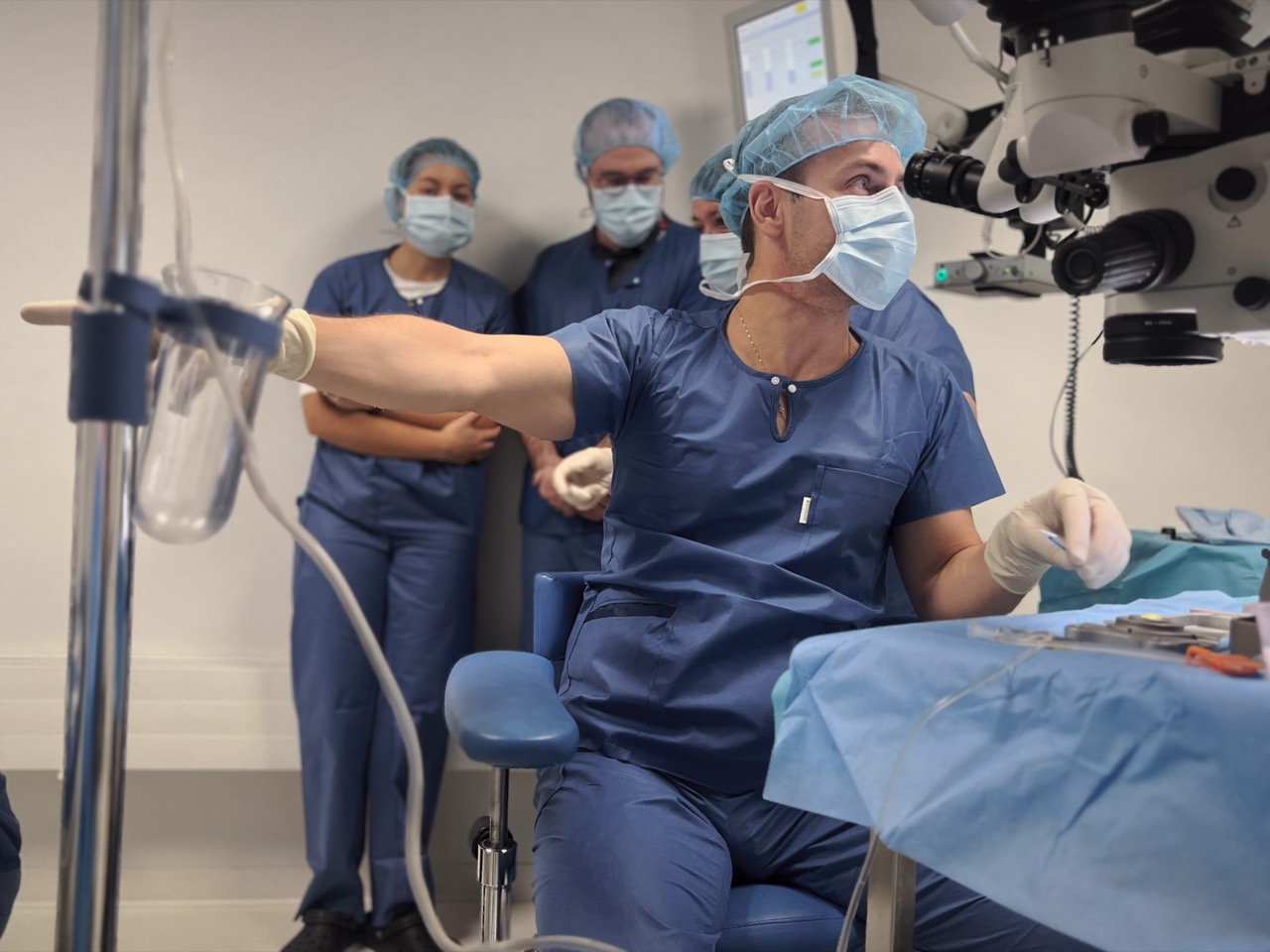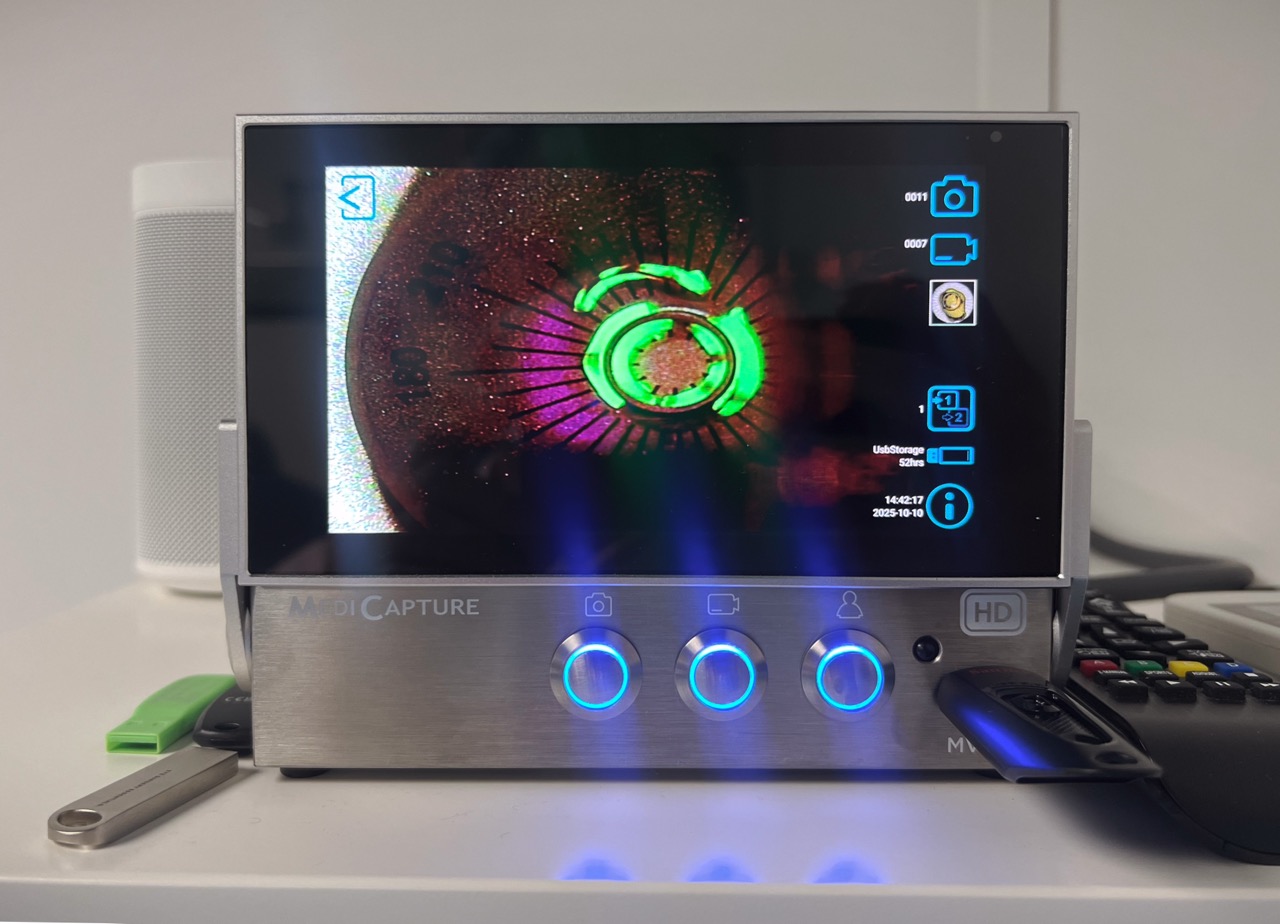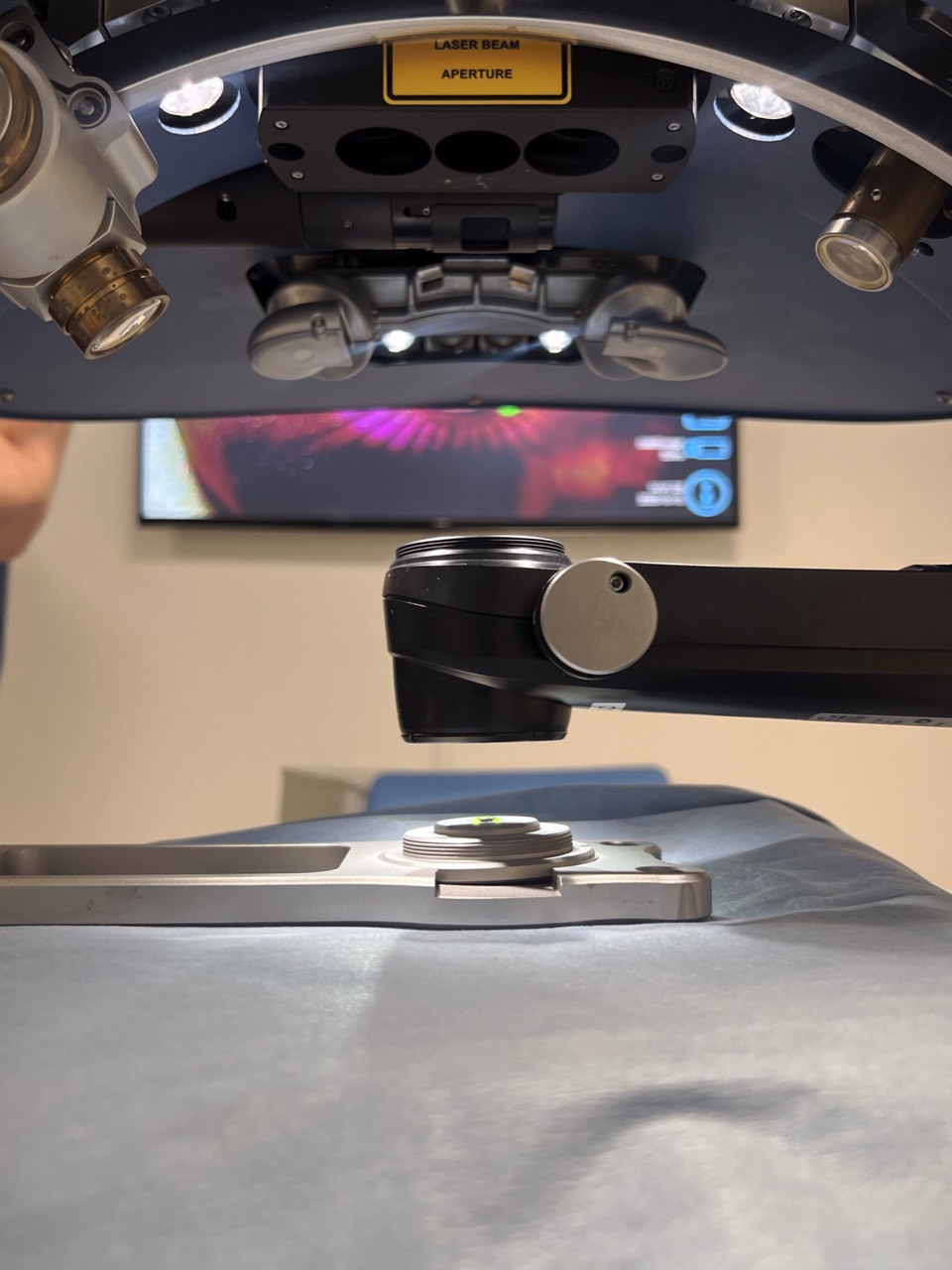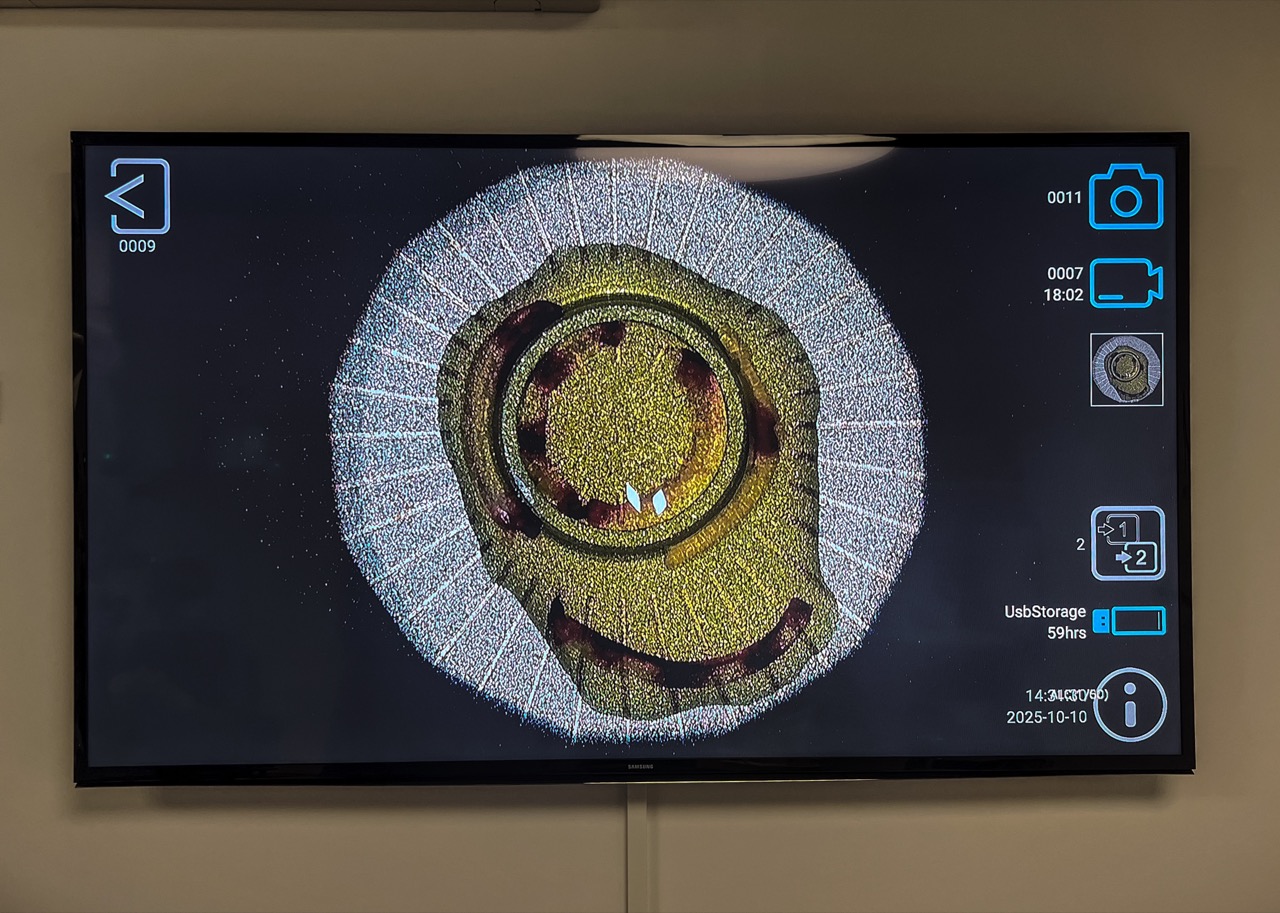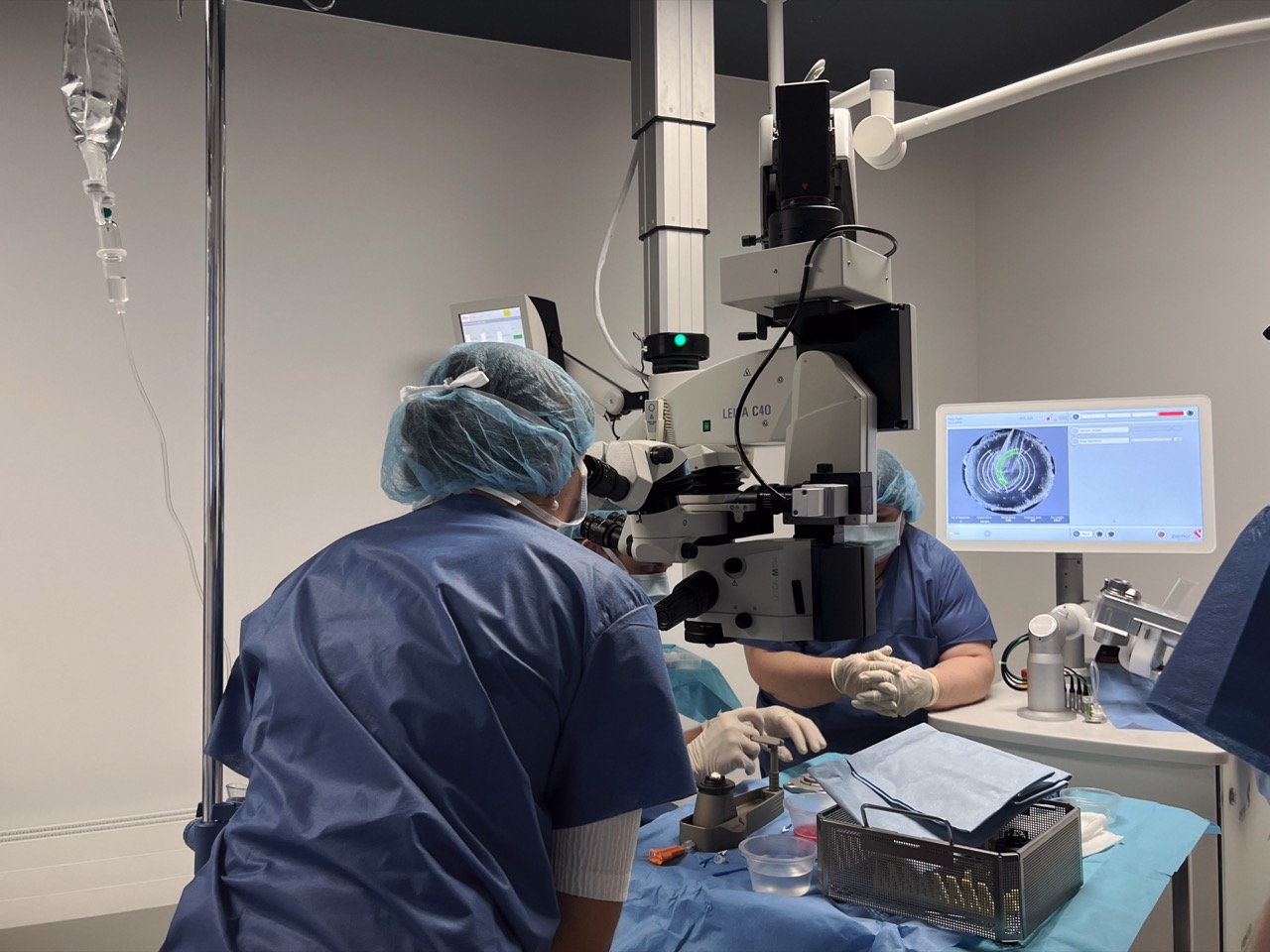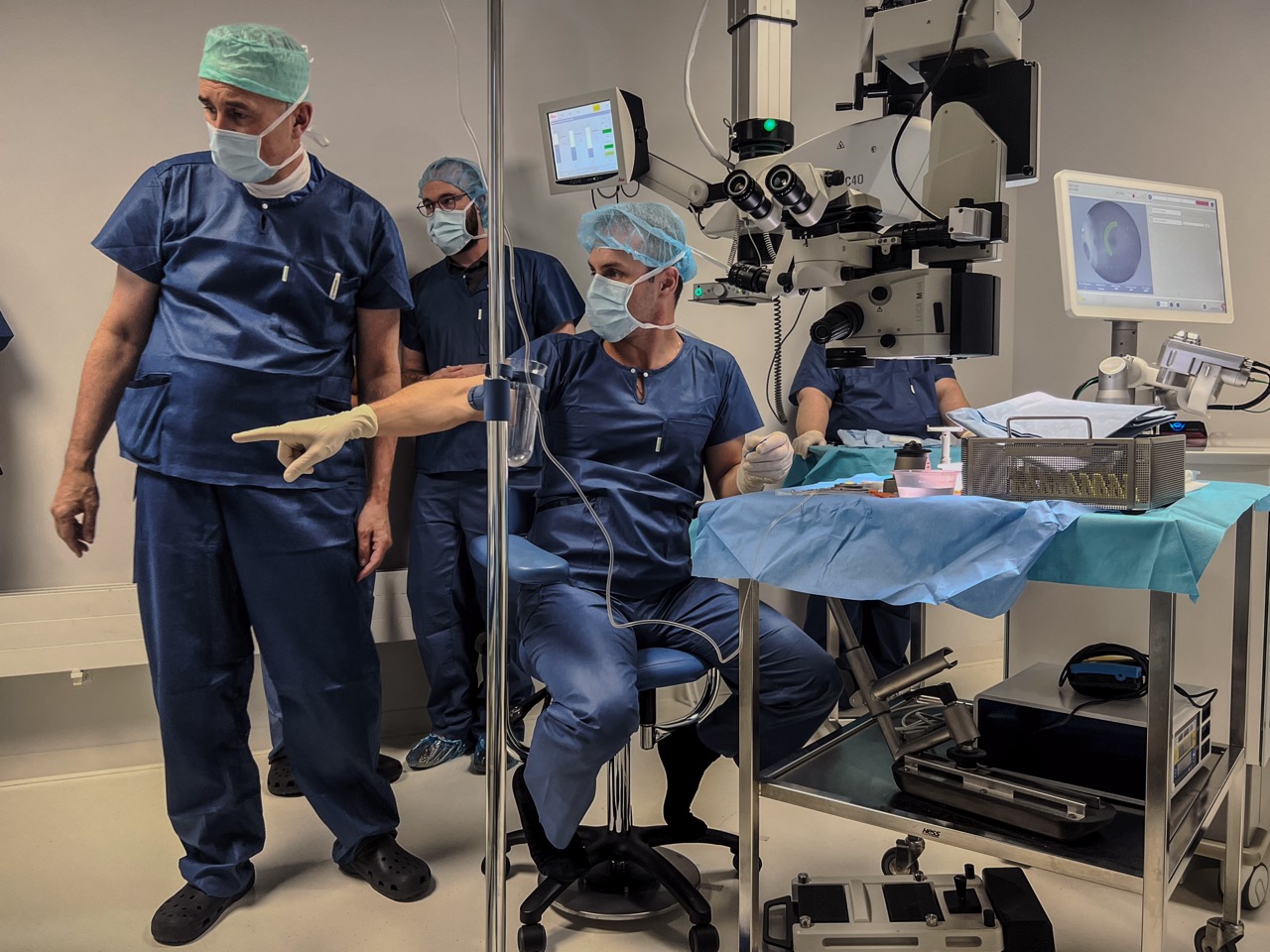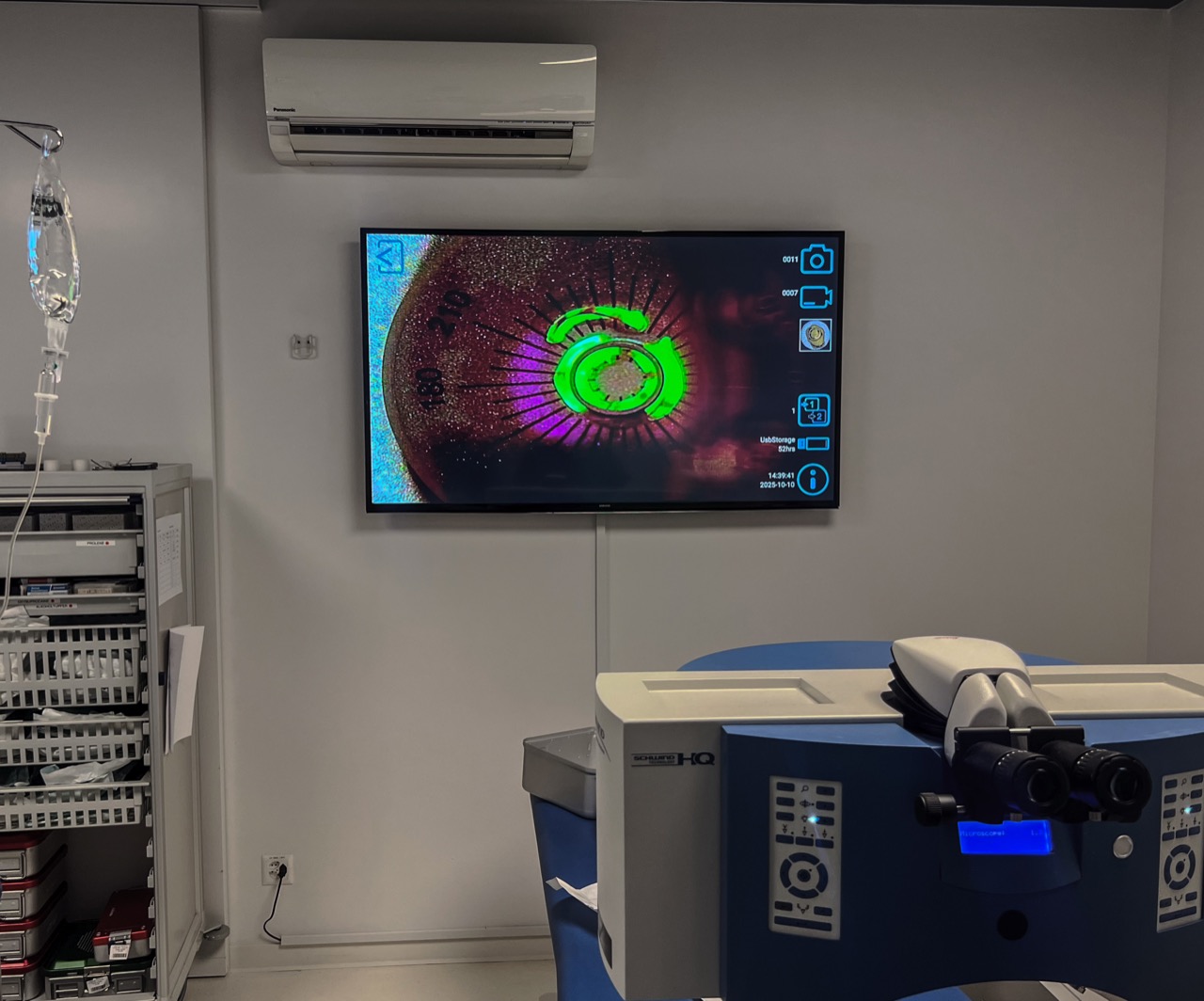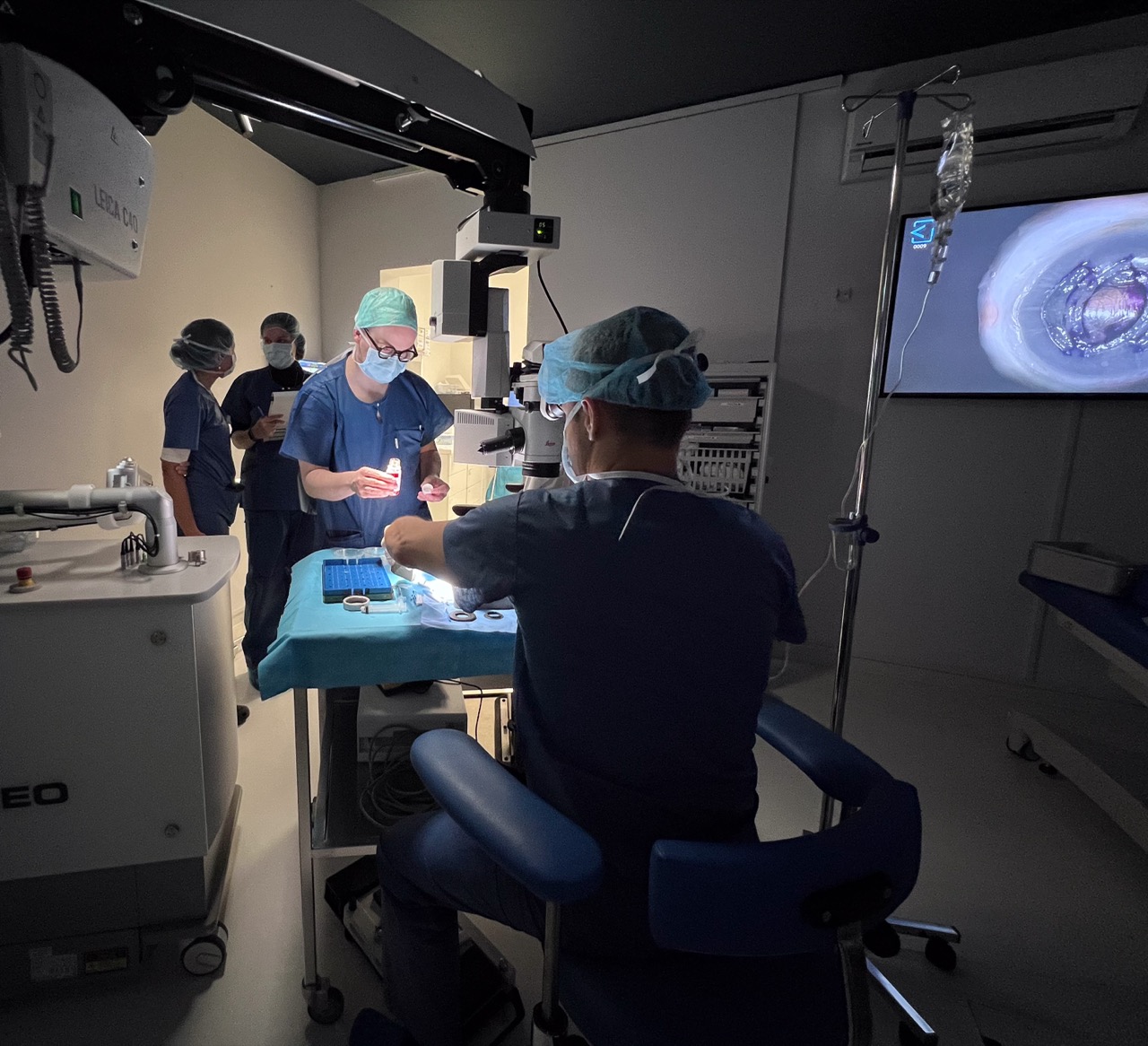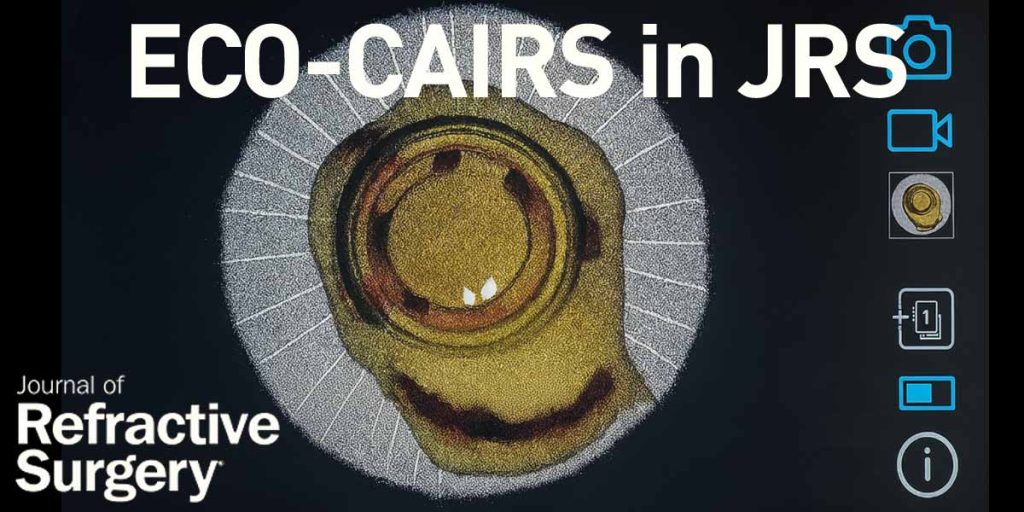
A new surgical technique developed at the ELZA Institute – Extracorporeal Optimization of Corneal Allogenic Intrastromal Ring Segments (ECO-CAIRS) – has now been published in the Journal of Refractive Surgery. The paper, first-authored by ELZA’s CMO, Prof. Farhad Hafezi, MD, PhD, FARVO and colleagues, describes how donor corneal ring segments can be biomechanically optimized before implantation using ultra-high-fluence corneal cross-linking (CXL).
In the article, Prof. Farhad Hafezi and colleagues describe an extracorporeal protocol in which donor ring segments are treated with ultra-high fluence UV-A (30–60 J/cm²) after riboflavin soaking — far beyond the classical Dresden protocol for in-eye CXL.
The “extracorporeal” nature is critical: by performing the cross-linking outside the patient’s eye, the surrounding tissue is not exposed, and the surgeon controls the biomechanical preparation of the implant. The result: the donor segment becomes a pre-stiffened, acellular collagen scaffold that is easier to handle—and less biologically active—before insertion.
- A smoother insertion, a smarter implant
- The surgical narrative changes when the implant is pre-hardened and dimensionally stable:
- The segment is thinner immediately after treatment, facilitating passage through the stromal tunnel.
- It retains shape and rigidity during insertion, making centration and orientation more precise.
It is acellular, meaning that keratocytes from the donor are removed, mitigating cell-based biological variability.
These elements converge to make the surgeon’s job more controlled and reproducible.
In the four-eye feasibility series, the ELZA team reported that all insertions were uneventful, handling was smooth, and there were no complications related to the pre-treatment of the donor tissue.
Why this matters for patients
For individuals living with keratoconus, especially those who have progressed beyond contact-lens tolerance, ECO-CAIRS offers a new dimension of therapy. The journey goes like this:
- The cornea has become irregular, the cone steepens, visual quality degrades, glasses alone are insufficient.
- Prior techniques use either synthetic rings (with limitations) or donor tissue that is soft and surgically challenging.
- ECO-CAIRS leverages donor tissue but addresses the technical and biological limitations.
The result is a more stable implant that is surgically smoother and biologically optimised.
Because the segment is prepared in advance, the intraoperative steps are quicker and more reliable. Because the implant is acellular and pre-stiffened, the risk profile may improve (although long-term data are still maturing). The narrative becomes one of “precision meets biology,” rather than “adjusting for softness.”
The broader landscape of vision rehabilitation in keratoconus
ECO-CAIRS is not an isolated advance from ELZA – it fits into the broader keratoconus strategy at ELZA. From early detection and biomechanical analysis to customized cross-linking protocols (such as ELZA-PACE) and therapeutic excimer laser corneal rehabilitation options using advanced techniques like wavefront-guided PRK, ELZA offers a cascade of technologies for ectatic corneas.
This ecosystem means that ECO-CAIRS is not just another ring-segment surgery… it is part of a layered, personalised approach in which each patient’s corneal stability, thickness, shape, and visual needs are matched with the correct intervention at the correct time.
Looking ahead
The path for ECO-CAIRS now leads to broader clinical studies, longer follow-up, and integration into surgical nomograms that match implant design, cross-linking fluence, tunnel geometry, and patient corneal profile. As these data emerge, the vision at ELZA is that more patients with keratoconus will benefit from less invasive, more predictable, biologically optimized surgical solutions rather than defaulting to corneal transplantation.
At ELZA, we believe that the future of keratoconus therapy lies not in a one-size-fits-all model but in tailored, tissue-based, technology-driven surgery. ECO-CAIRS is one important step on that journey.