
ELZA at OPT-X.25
The ELZA team presented at OPT-X.25 in Baden, showcasing our Zurich keratoconus treatment expertise from diagnostics and contact lenses to advanced surgical care

The ELZA team presented at OPT-X.25 in Baden, showcasing our Zurich keratoconus treatment expertise from diagnostics and contact lenses to advanced surgical care

Highlights from ESCRS 2025 ELZA Institute Sunday sessions in Copenhagen, featuring advances in keratoconus, glaucoma, and corneal surgery
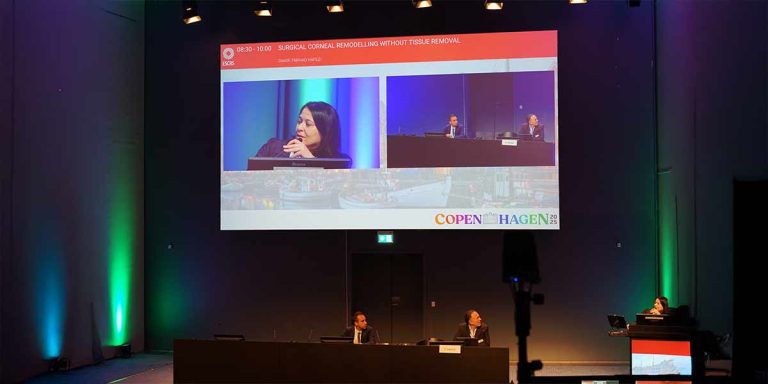
Highlights from ESCRS 2025 ELZA Institute Sunday sessions in Copenhagen, featuring advances in keratoconus, glaucoma, and corneal surgery

Highlights from ESCRS 2025 ELZA Institute Friday sessions in Copenhagen, featuring advances in keratoconus, glaucoma, and corneal surgery

Highlights from ESCRS 2025 ELZA Institute Saturday sessions in Copenhagen, featuring advances in keratoconus, glaucoma, and corneal surgery

At ESCRS 2025, Dr. Emilio Torres-Netto shared pearls for cataract surgery in keratoconus, highlighting biometry challenges and corneal optimization.
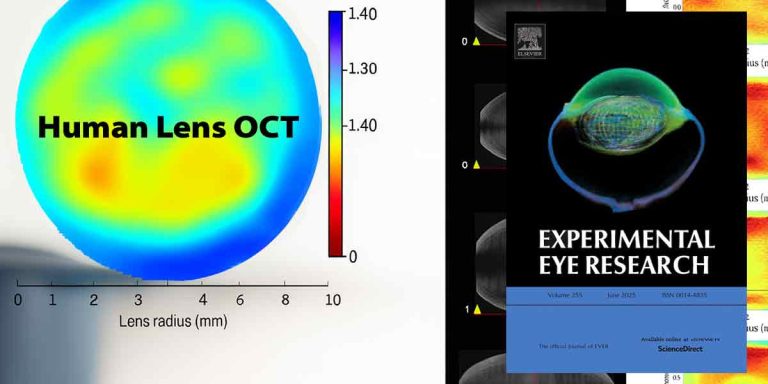
Human lens OCT maps refractive index and strain, offering new insights into accommodation, ageing, and ocular biomechanics.

We are proud to announce that ELZA Institute’s CEO, Nikki L. Hafezi MAS IP ETHZ, will serve as Course Director for a new international program in Uzbekistan — the “Professional Development Course in Visual Sciences and Public Health”.

A new publication in JRS reports the long-term endothelial safety of the ELZA-sub400 protocol for treating progressive keratoconus in corneas thinner than 400 µm.
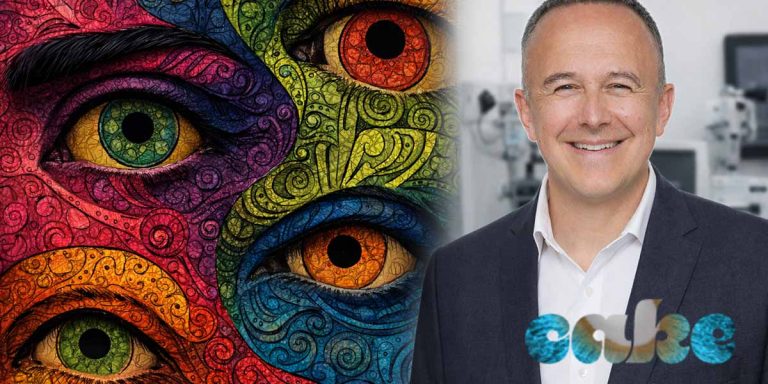
In CAKE Magazine (June 2025), Prof. Farhad Hafezi and international experts outline practical, individualized approaches to common corneal surface disease management in daily practice.
