The ELZA Institute’s surgeons and researchers spent four days in Vienna at the 36th Congress of the ESCRS, and went to the meeting with a busy schedule!
Why did the Serbian military offer to fly Prof. Farhad Hafezi in a helicopter to a ski resort in early September? After all, the slopes were green with grass, not white with snow.
Presenting to the Swiss Optometrists Association (SBAO) Annual Meeting, Hafezi identified the single biggest villain in the development of keratoconus: eye rubbing.
Other vision healthcare professionals regularly refer patients to ELZA who have “challenging corneas”; many are those whose original laser refractive surgery didn’t quite go to plan, and they need re-treatment to fix their vision
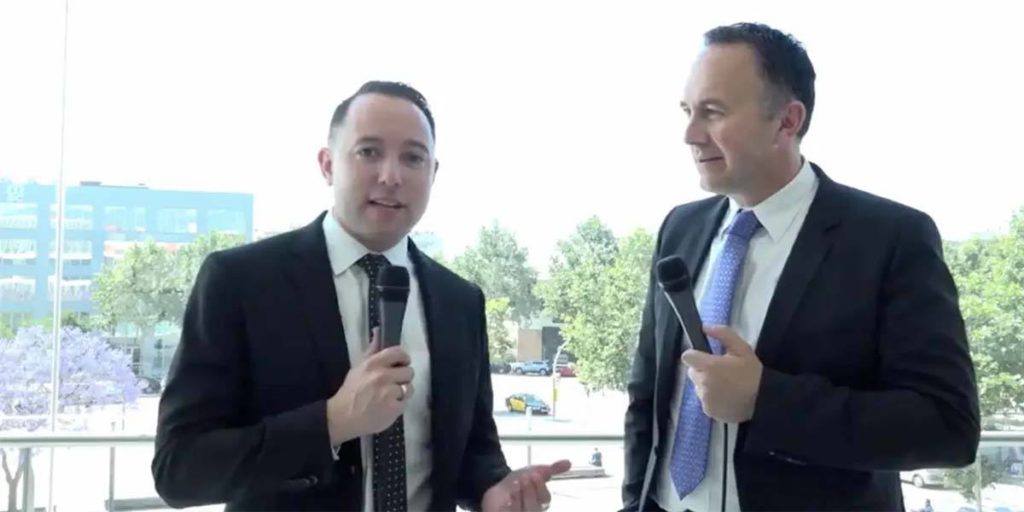
Prof. Hafezi in a video interview with EyeWorld at the World Ophthalmology Congress 2018 in Barcelona about the relationship between thyroid hormone and changes in the cornea and in vision.