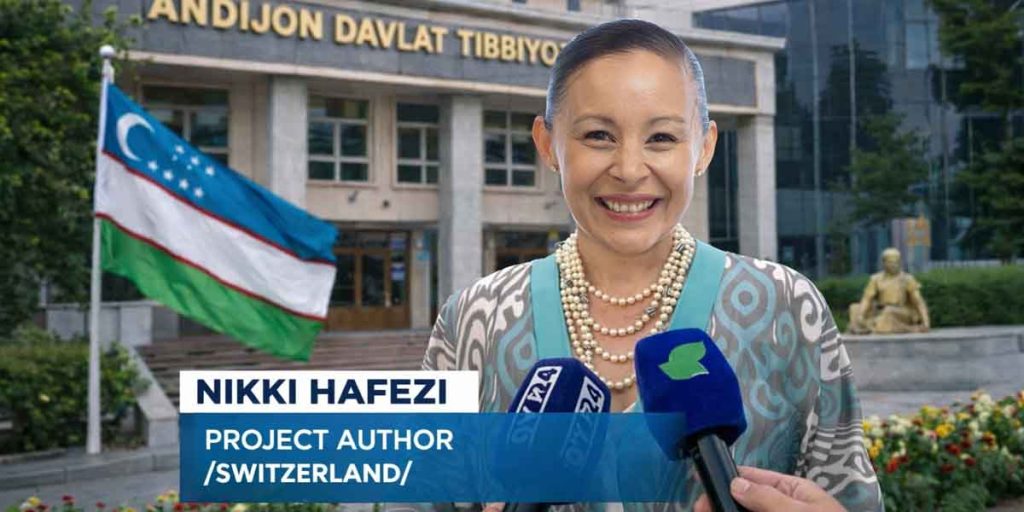
Seventy years after its founding, Andijan State Medical University stands at an inflection point. Not because of a single discovery, but because of a question. Who generates the data that shapes how disease is understood and treated.
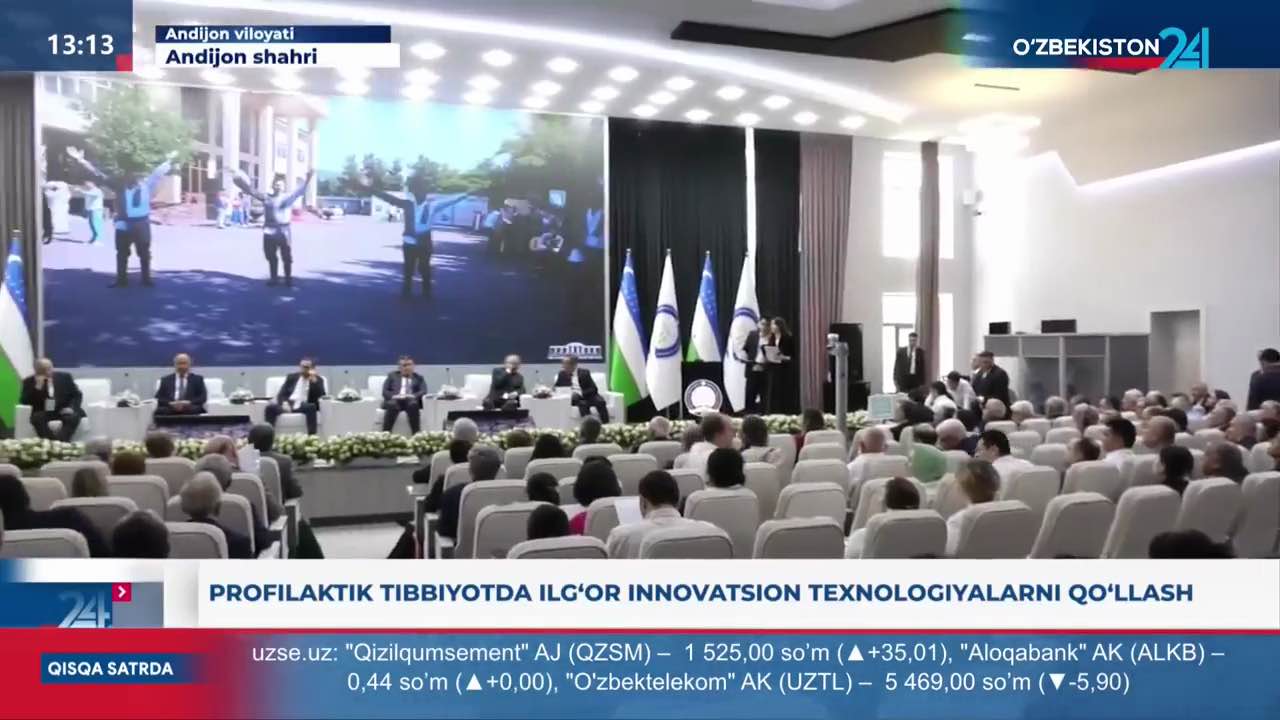
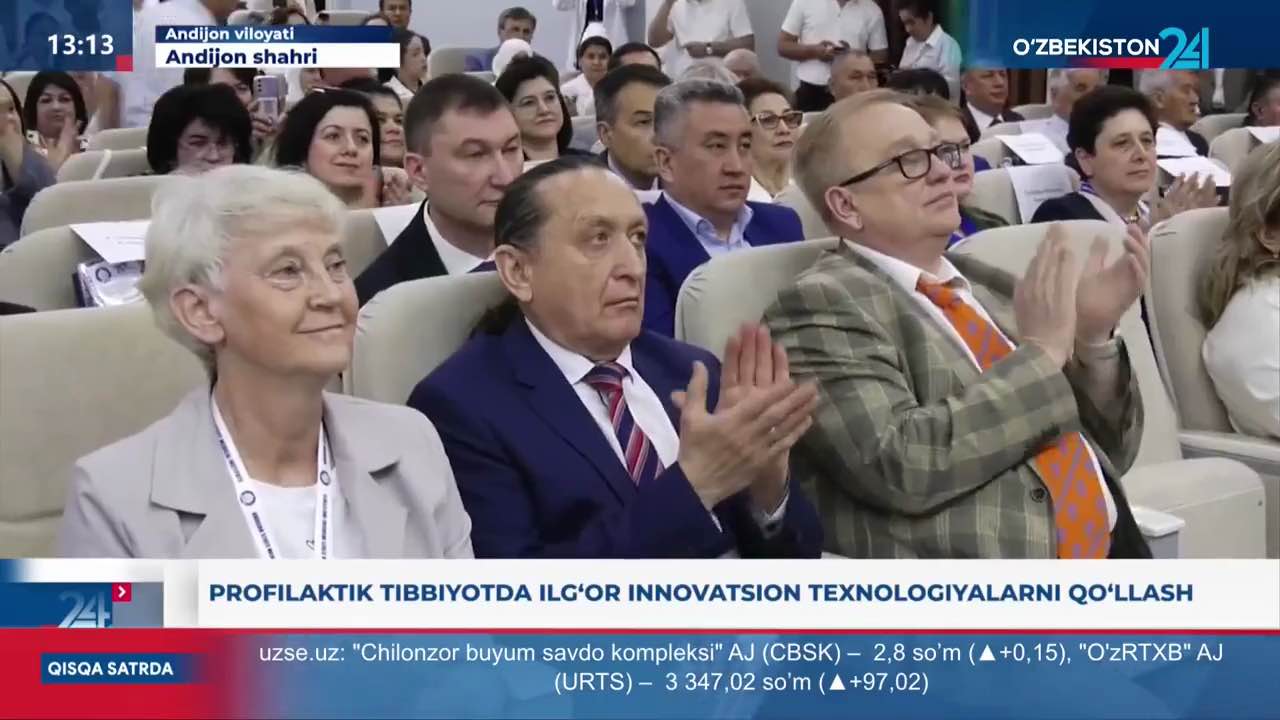
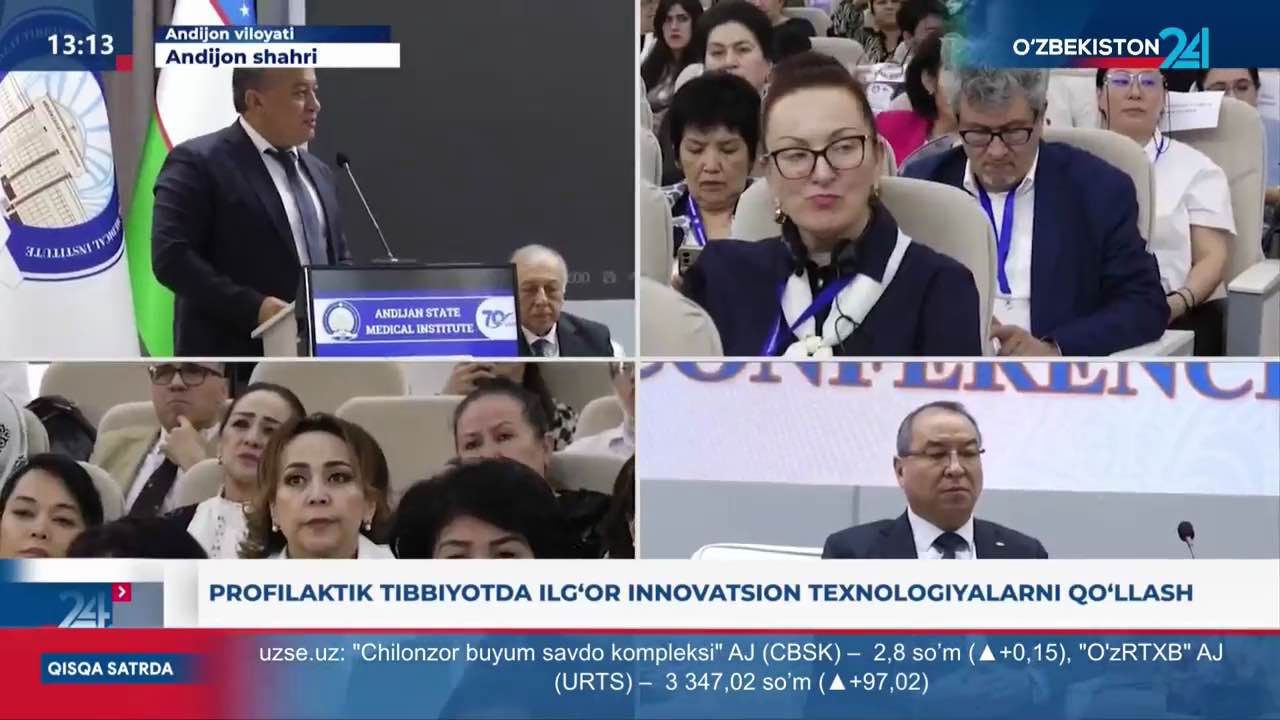
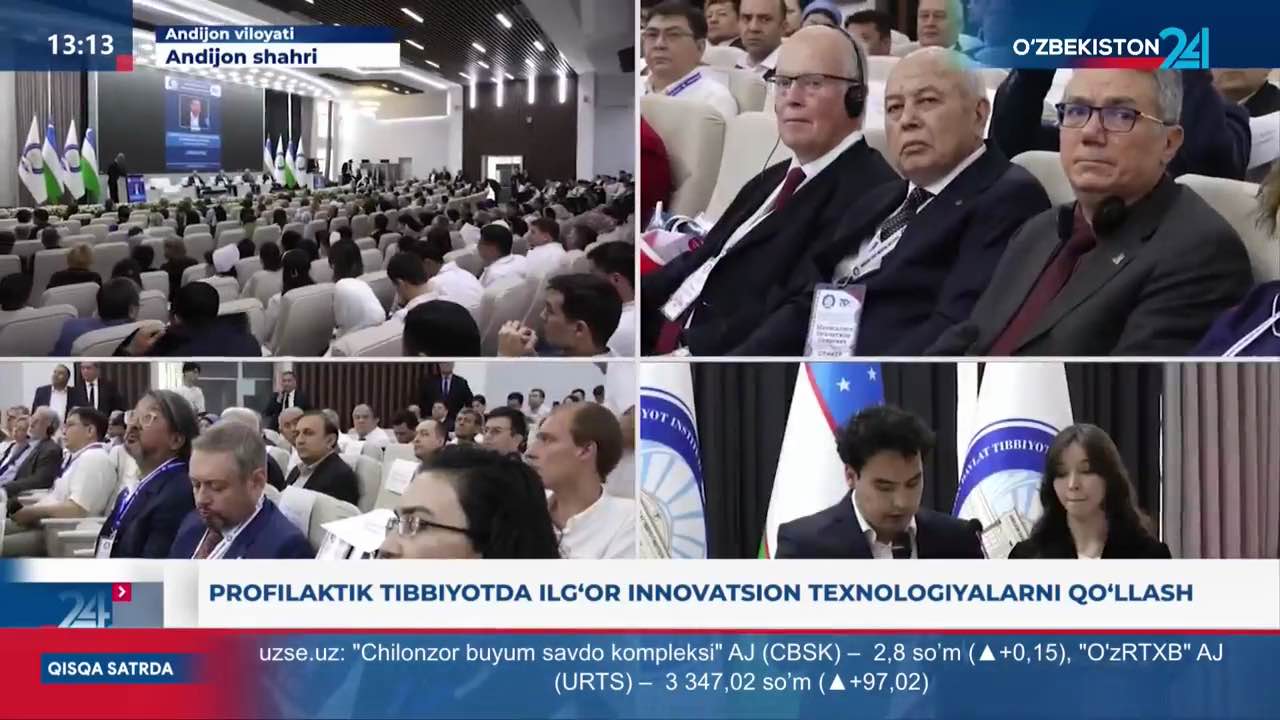
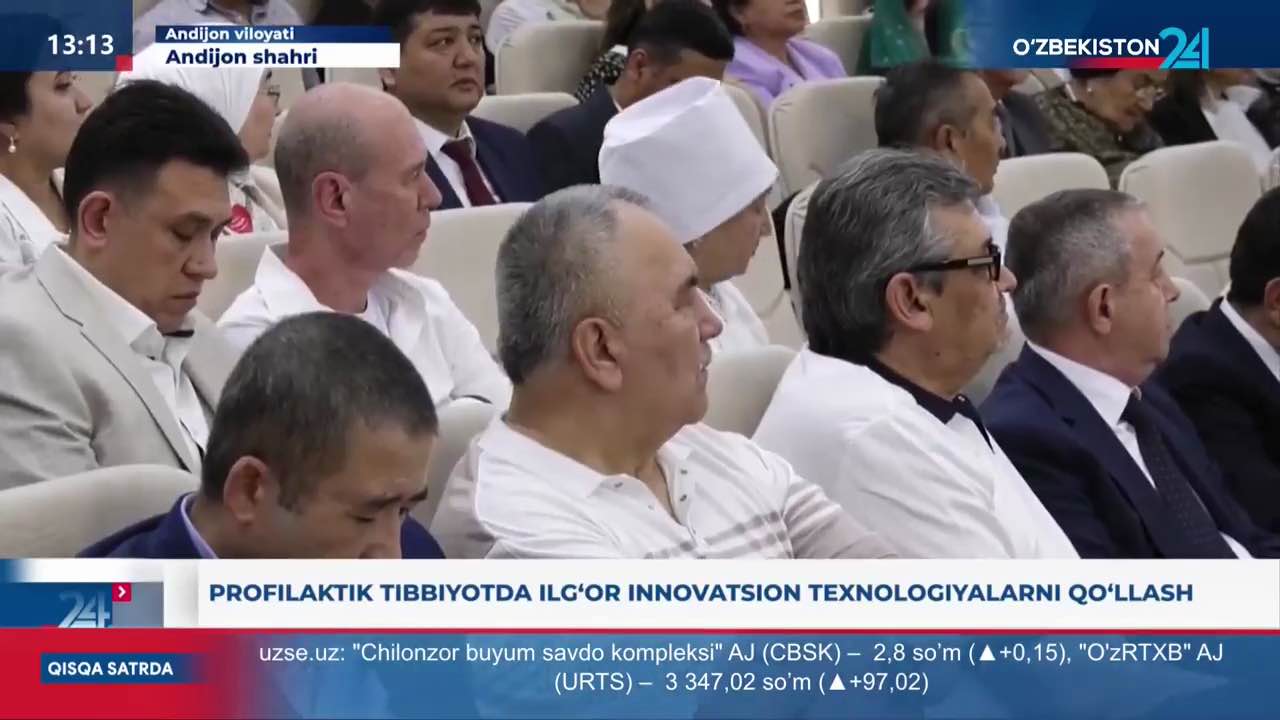
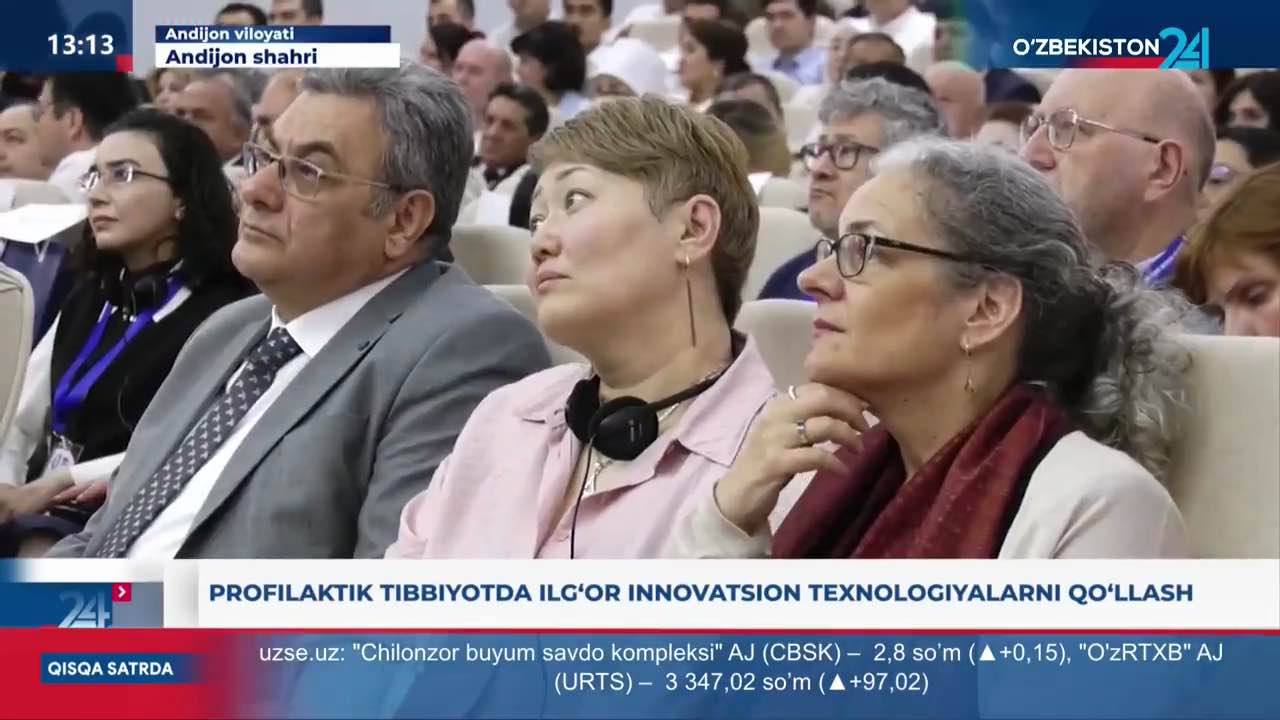
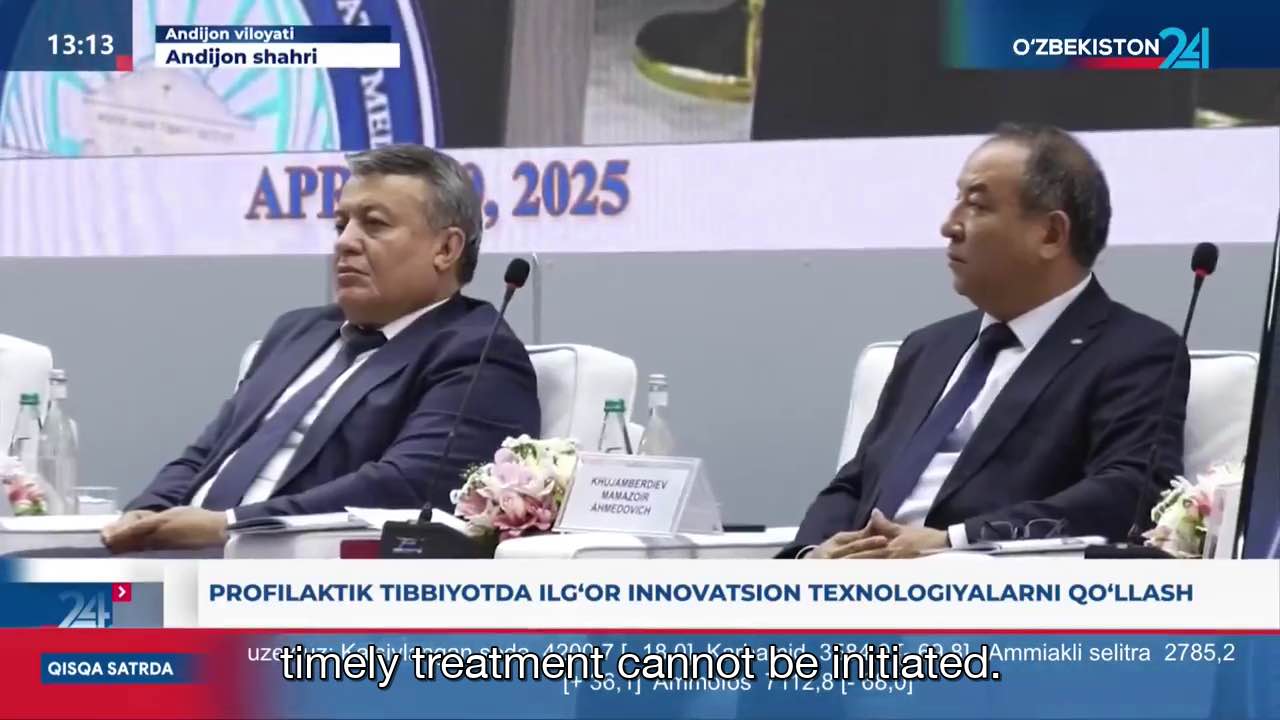
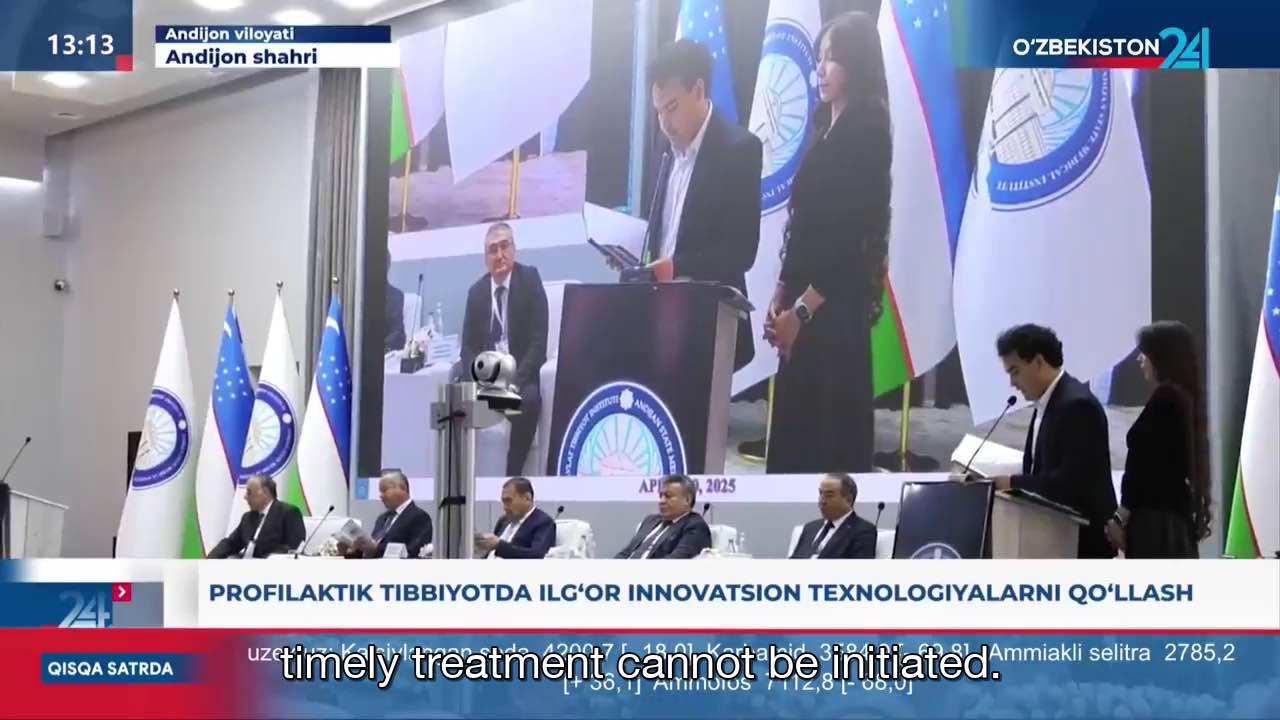
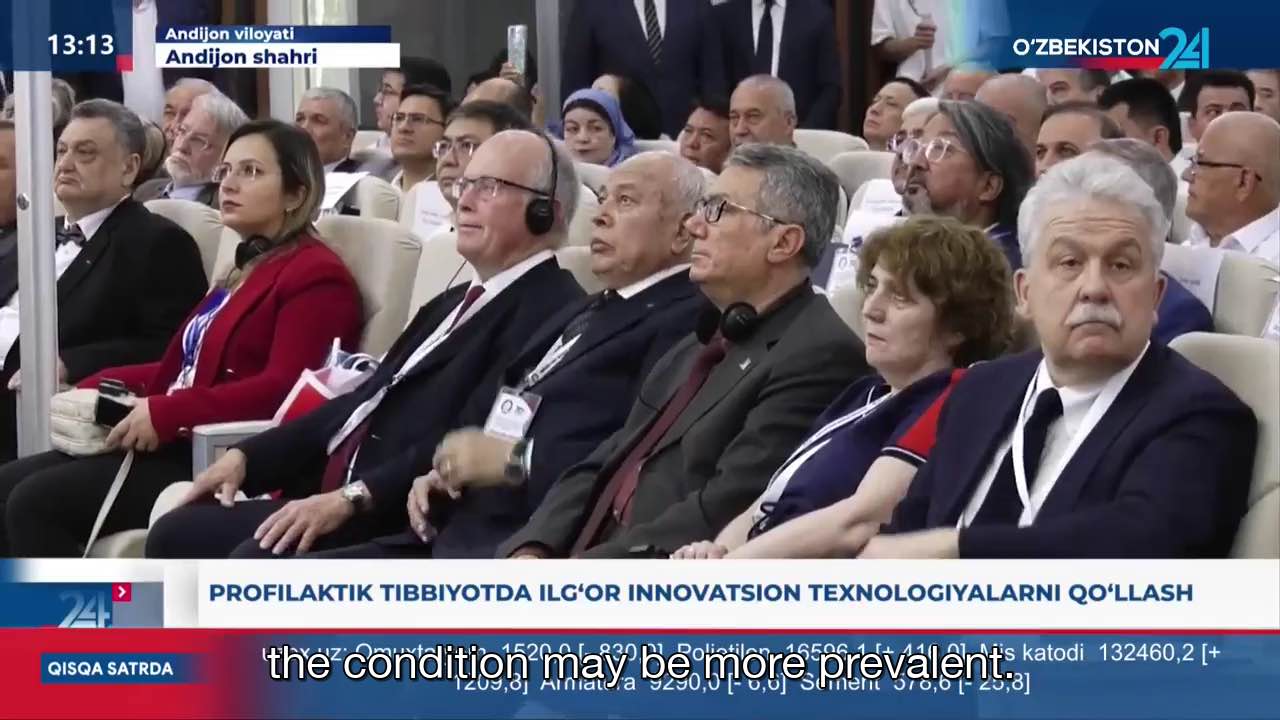
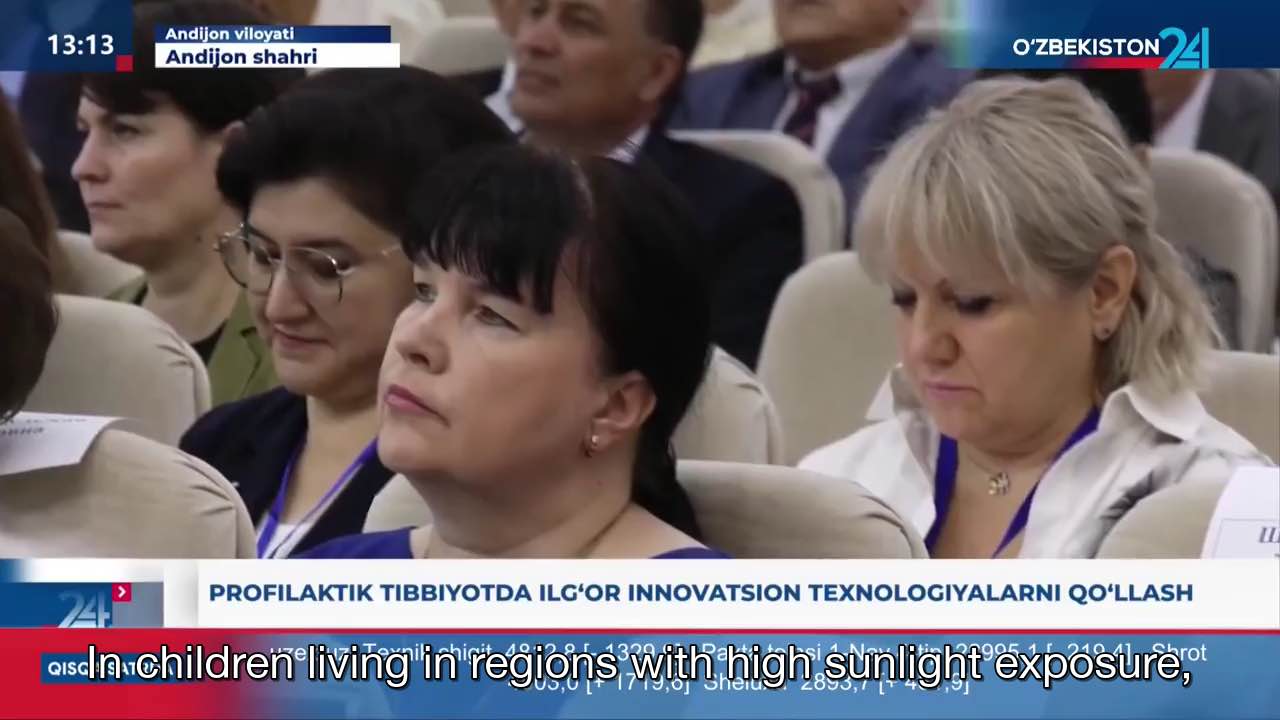
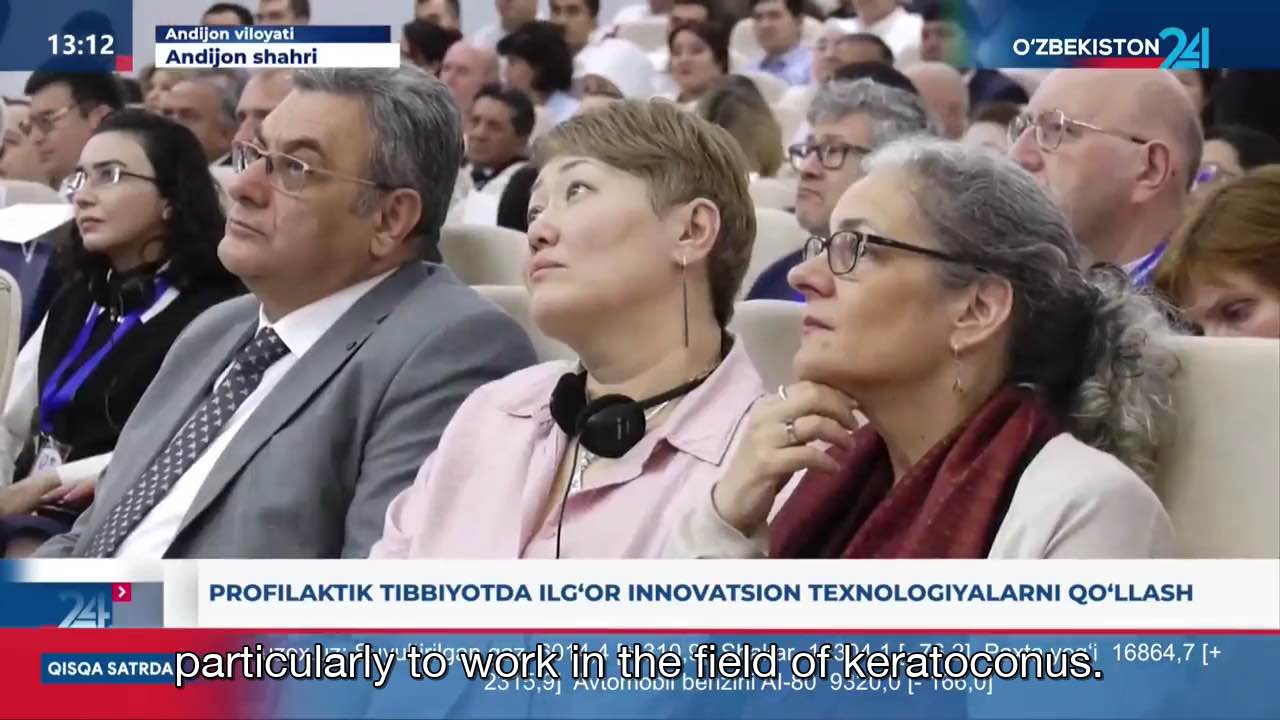
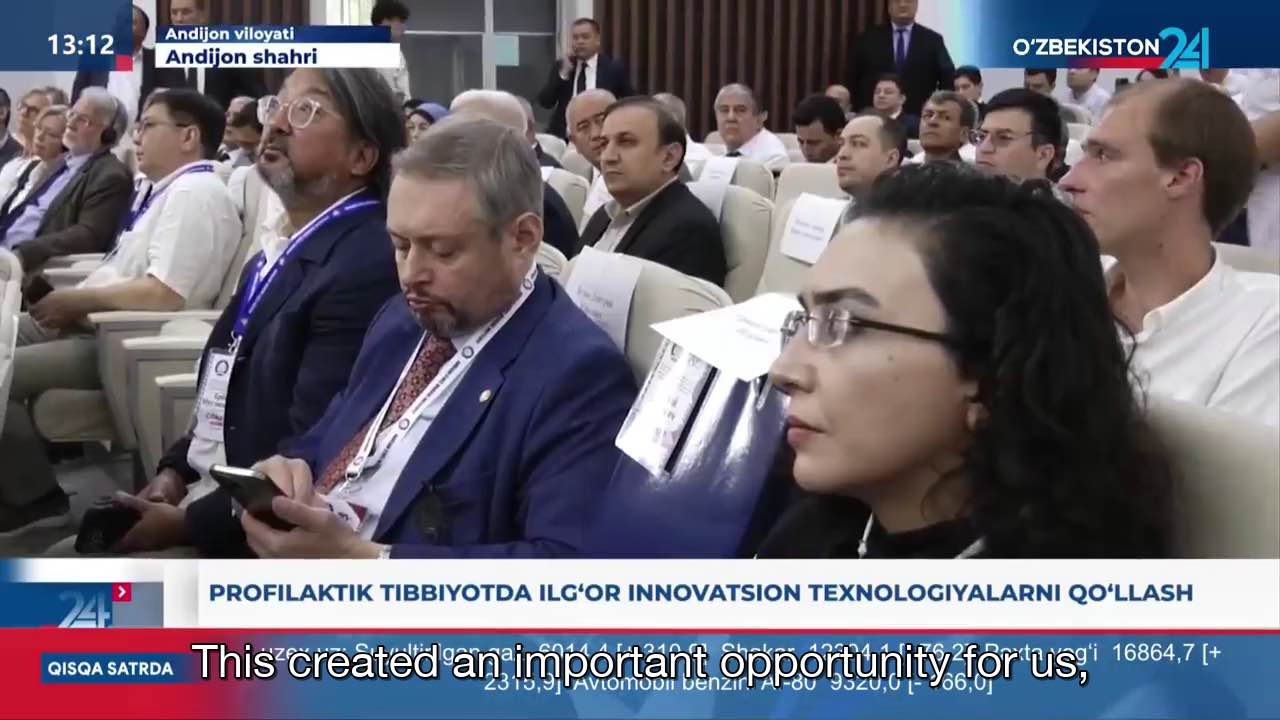
In April 2025, ELZA’s CEO, Nikki Hafezi MAS IP ETHZ, addressed that question directly. Speaking in Andijan as part of the university’s anniversary programme, she presented ongoing work from the K-MAP initiative, a global effort to measure keratoconus prevalence in children. The message was not framed as a result. It was framed as a responsibility, and it was highlighted in a national broadcast on Oʻzbekiston24.
A long-term collaboration
The work in Uzbekistan did not emerge overnight. It developed step by step, grounded in long-term engagement with the country. Having lived in Uzbekistan, Nikki Hafezi described a sustained connection that has now translated into structured clinical and research activity on the ground.
This approach matters. It moves beyond short-term collaboration and toward something more durable. Access, trust, and the ability to conduct meaningful clinical research are built over time, not imported.
Why keratoconus research in Uzbekistan matters
Keratoconus is well described. Its progression is understood. Its treatment is increasingly standardized. Yet the global map of the disease remains uneven. In some regions, prevalence is defined with precision. In others, it is inferred, assumed, or simply unknown.
Central Asia sits firmly in the latter category. Without robust population-based data, clinical decisions are shaped by extrapolation. Screening strategies are imported. Risk profiles are generalized. The consequence is not theoretical. It affects when patients are diagnosed, how quickly they are treated, and how resources are allocated. This is where keratoconus research in Uzbekistan becomes critical.
Data defines action
The K MAP study attempts to change that. By applying standardized imaging and diagnostic criteria at scale, it creates something that has long been missing in many regions.
Reliable local evidence.
At ELZA, this principle underpins ongoing work in keratoconus research. Understanding disease means measuring it properly. Not once, not in isolation, but systematically and at the population level.
Why children matter
A central focus of the work in Uzbekistan has been pediatric populations, including children with Down syndrome. This is not incidental. These patients represent a group at increased risk of keratoconus and its rapid progression.
The clinical implication is clear. If timely diagnosis and treatment are not available, children may lose functional visual capacity during critical developmental periods. In this context, epidemiology is not an academic exercise. It is a prerequisite for intervention.
Earlier detection changes outcomes
The logic is straightforward. If keratoconus is detected earlier, progression can be addressed before vision declines. This is where epidemiology meets intervention. Techniques such as corneal cross-linking depend on timing. Treat too late and structural damage has already occurred. Identifying the disease early and stabilization becomes achievable. The difference lies in recognition, not technology.
From observation to strategy
What emerges from initiatives like K-MAP is not simply a dataset. It is a framework for decision-making. Health systems begin to see patterns rather than isolated cases. Screening becomes targeted. Prevention becomes possible.
In Uzbekistan, this effort has been embedded within a broader academic programme. Following an initial pilot in Tashkent, the initiative expanded across multiple medical disciplines, contributing to more than 145 scientific presentations. This is not only data generation. It is the development of a research ecosystem. The future of keratoconus research in Uzbekistan depends on locally generated data.
Capacity is the outcome
This approach produces more than publications. It builds infrastructure. It trains clinicians to think in terms of evidence. It creates the conditions for future multi-center studies that are not dependent on external initiation.
In this sense, the K-MAP project is as much about capability as it is about keratoconus.
Interview with O’zbekiston24
During the visit, Nikki Hafezi also spoke to the national broadcaster O’zbekiston24 about the goals of the project and the importance of strengthening local research capacity.