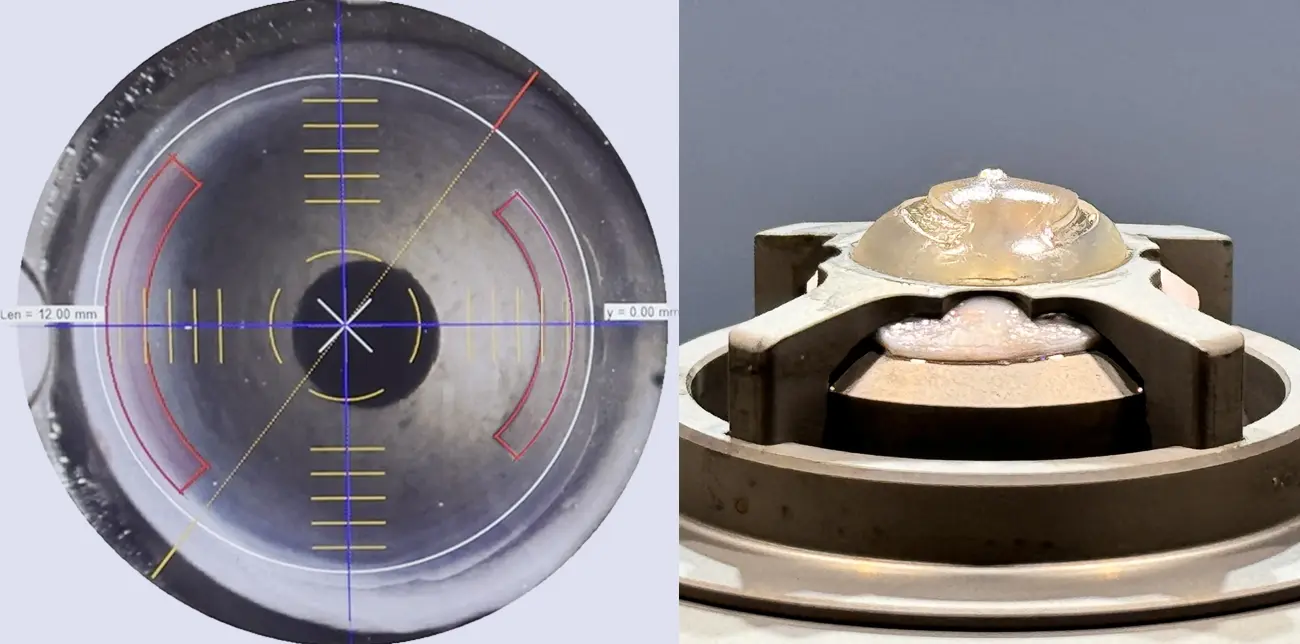
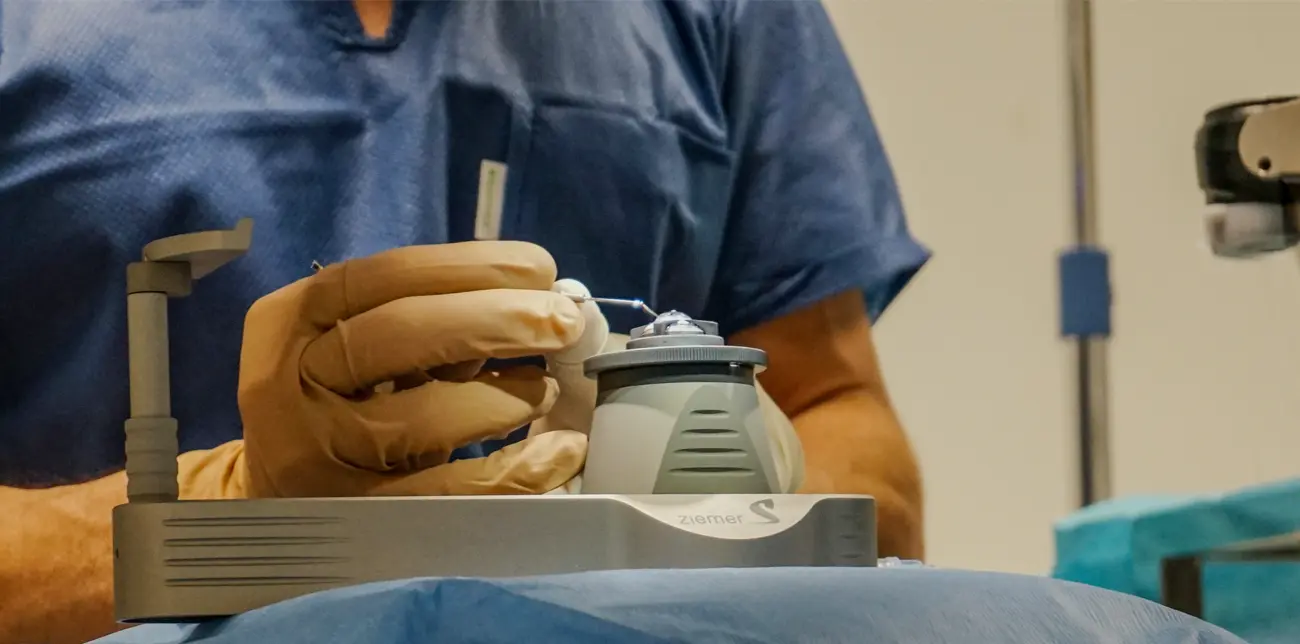
Keratoconus causes the cornea to weaken and bulge forward, creating irregular astigmatism and progressive visual distortion. For selected patients, adding tissue inside the cornea — rather than removing tissue — can help regularize its shape and improve vision. Over the past two decades, several forms of intracorneal ring segments have been developed. Each step brought important advances, moving the field from “off-the-peg” implants toward truly individualized treatment.
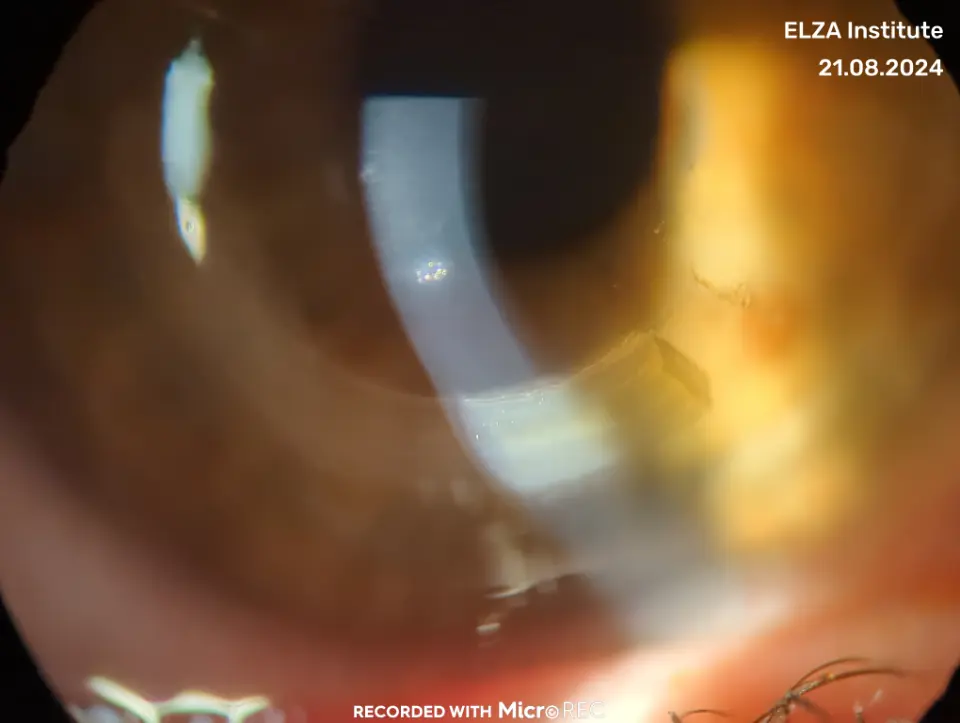
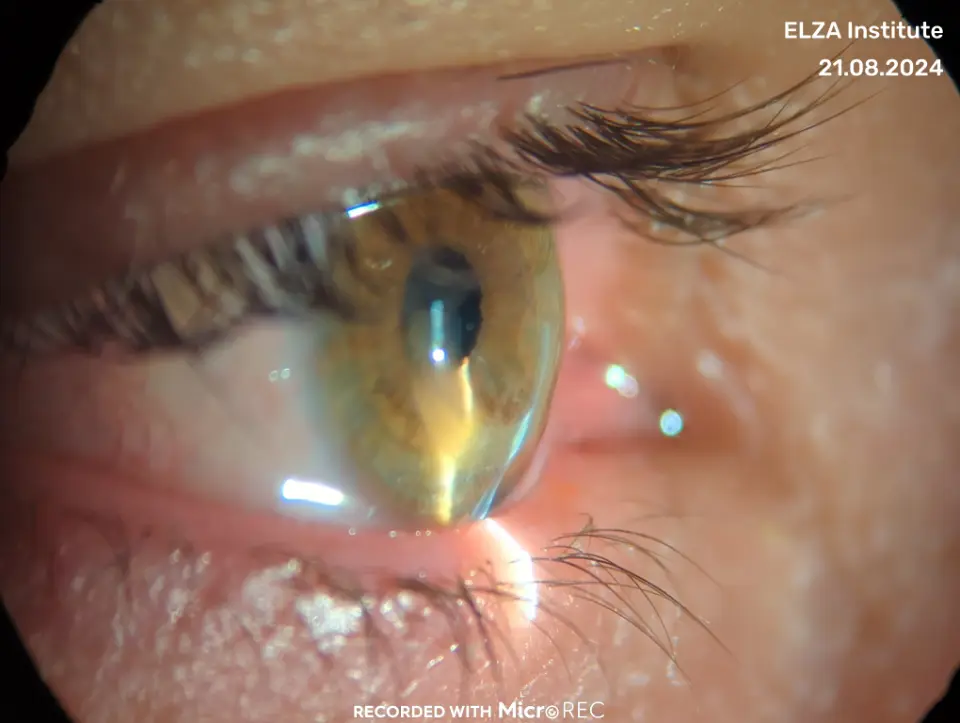
At ELZA, we offer the latest evolution of this concept: ECO-CAIRS, a technique that combines allogenic corneal tissue, femtosecond-laser precision, and extracorporeal corneal cross-linking (CXL). This approach builds on the strengths of earlier methods while addressing their limitations.
The Evolution of CAIRS
Traditional intracorneal ring segments (ICRS) are made of polymethylmethacrylate (PMMA), a transparent medical-grade plastic.
How they work
PMMA segments are placed into laser- or manually-created stromal tunnels. Their arc-shaped design applies gentle outward force to the surrounding cornea, flattening the cone and improving corneal symmetry.
Limitations
Because PMMA is manufactured in a limited set of fixed thicknesses and arc lengths, surgeons must choose from a predefined catalogue of shapes. This means the procedure is not fully customised to the individual corneal shape.
In addition, synthetic material differs biomechanically from human tissue, which may contribute to surface thinning, stromal melt or extrusion in rare cases.
The Evolution of CAIRS
The next major development was Corneal Allogenic Intrastromal Ring Segments (CAIRS). Instead of plastic, the segment is cut from donor corneal tissue.
Why this was an advance
Limitations
The Evolution of CAIRS
Femto-CAIRS introduced a major refinement: the tunnels and the allogenic segments are both shaped with a femtosecond laser, resulting in:
Highly reproducible depth and diameter
Smooth, consistent tunnel walls
Precisely defined arc lengths and widths
A more predictable effect on corneal shape
However, even with femtosecond-laser–cut segments, the softness of the tissue can still make insertion difficult.

Sterilizes the segment
High-fluence UVA irradiation (30–60 J/cm²) eradicates bacteria and other pathogens.
Eliminates donor keratocytes
Keratocytes are highly sensitive to UVA. At these fluences, they lose viability, effectively creating a clean, acellular collagen scaffold.
Makes the segment temporarily thinner and much stiffer
Immediately after CXL, the segment becomes ~50–60% thinner.
After implantation, the segment gradually rehydrates over several days and returns toward its original thickness.
Allows the insertion of more tissue volume
Because the segment is thinner at the moment of implantation, a larger volume of tissue can ultimately occupy the tunnel once rehydrated — potentially increasing the corneal flattening effect.
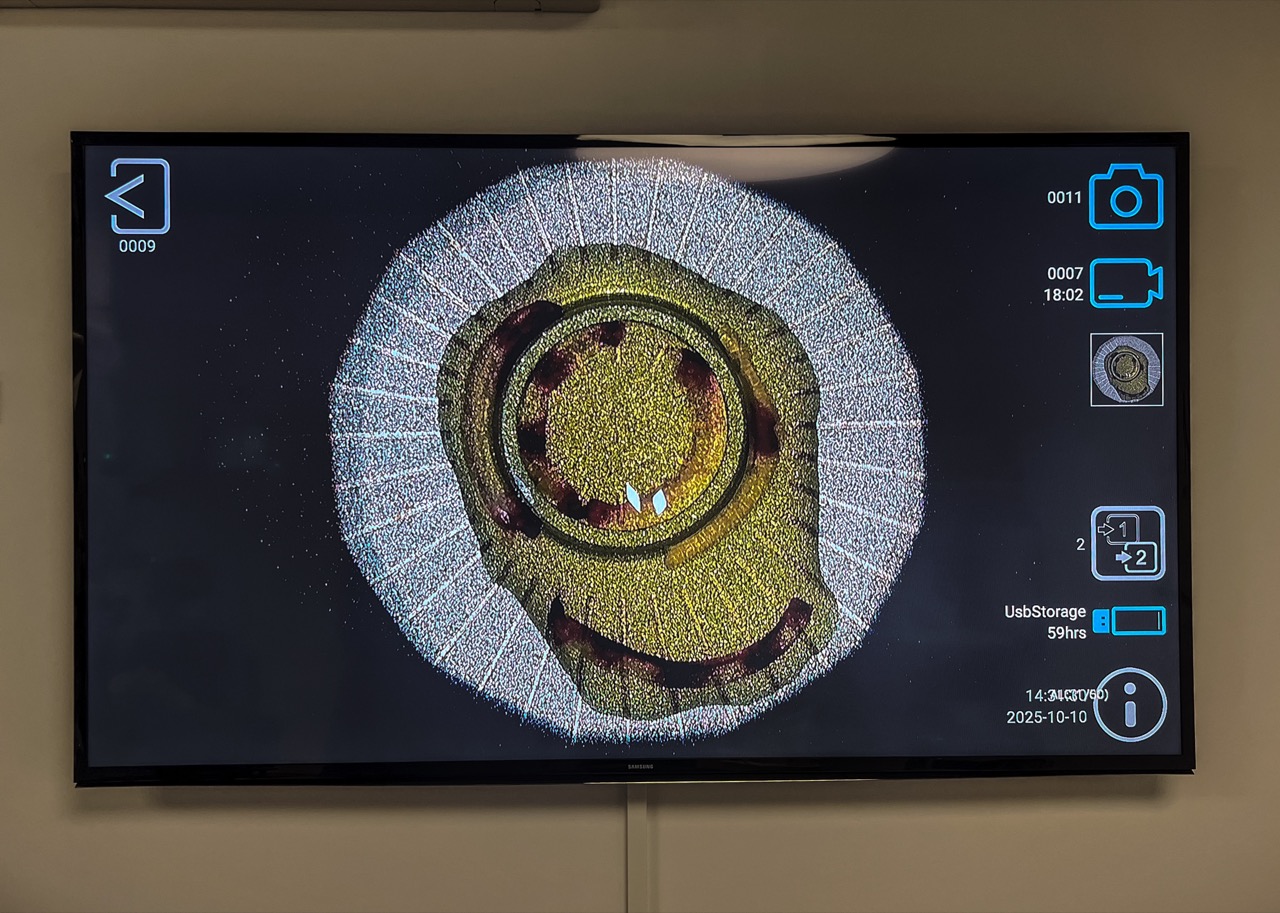
The Evolution of CAIRS
Commercially available, pre-prepared allogenic segments offer the advantages of sterility and convenience.
However, because they are supplied in standardized shapes and sizes, customization is again limited to what the manufacturer provides — similar to PMMA implants, but using biological tissue.
They can be a good option in specific situations, but they do not provide the full flexibility and individualized design possible with femtosecond-laser–cut segments.
The Result
ECO-CAIRS integrates:
Biocompatible donor corneal tissue
Laser-precise tunnel and segment geometry
Extracorporeal high-fluence CXL for sterilization, stiffness, and controlled volume
A customised, additive approach suited to corneas between ~50–70 D steepness and adequate stromal thickness
For many patients, the procedure can be combined later with ELZA-PACE or customised surface laser treatment to further refine corneal optics once healing is complete.
All approaches — PMMA ICRS, CAIRS, Femto-CAIRS, and ECO-CAIRS — remain valid and useful.
ECO-CAIRS simply represents the latest refinement, integrating the benefits of biological material, full laser customisation, and CXL-enhanced safety.
Get in touch
During office hours.
Email us.
Make an appointment, and come to see us.
Thank you for writing a review on google.
Contact us here, we will get in touch with you.
Zoom online consultation for our international patients.
Contact us here, we will get in touch with you.
Contact us here, we will get in touch with you.
Stay informed & get the newsletter
You have successfully joined our subscriber list.

Newsletter abonnieren & informiert bleiben
Sie haben sich erfolgreich in unsere Abonnentenliste eingetragen.
Bitte bestätigen Sie Ihr Abonnement, indem Sie auf den Link in der E-Mail klicken, die wir Ihnen gerade geschickt haben.