Completing the Mission in Bukhara
Keratoconus is not a disease that waits politely. In children, and particularly in children with Down syndrome, it can progress quickly and silently. By the time vision loss becomes obvious, the cornea may already have become significantly thinner, steeper, and more irregular. That is why early diagnosis matters, and why treatment must not stop at identifying the problem. Screening only has real value when it leads to care.
This is the central purpose of the Light for Sight Foundation: to eliminate severe visual impairment and preventable blindness among children and adolescents with keratoconus. Through the Light for Sight 21 programme, we place particular emphasis on children with Down syndrome, who have a markedly higher risk of developing keratoconus and who may face additional barriers to diagnosis and treatment.
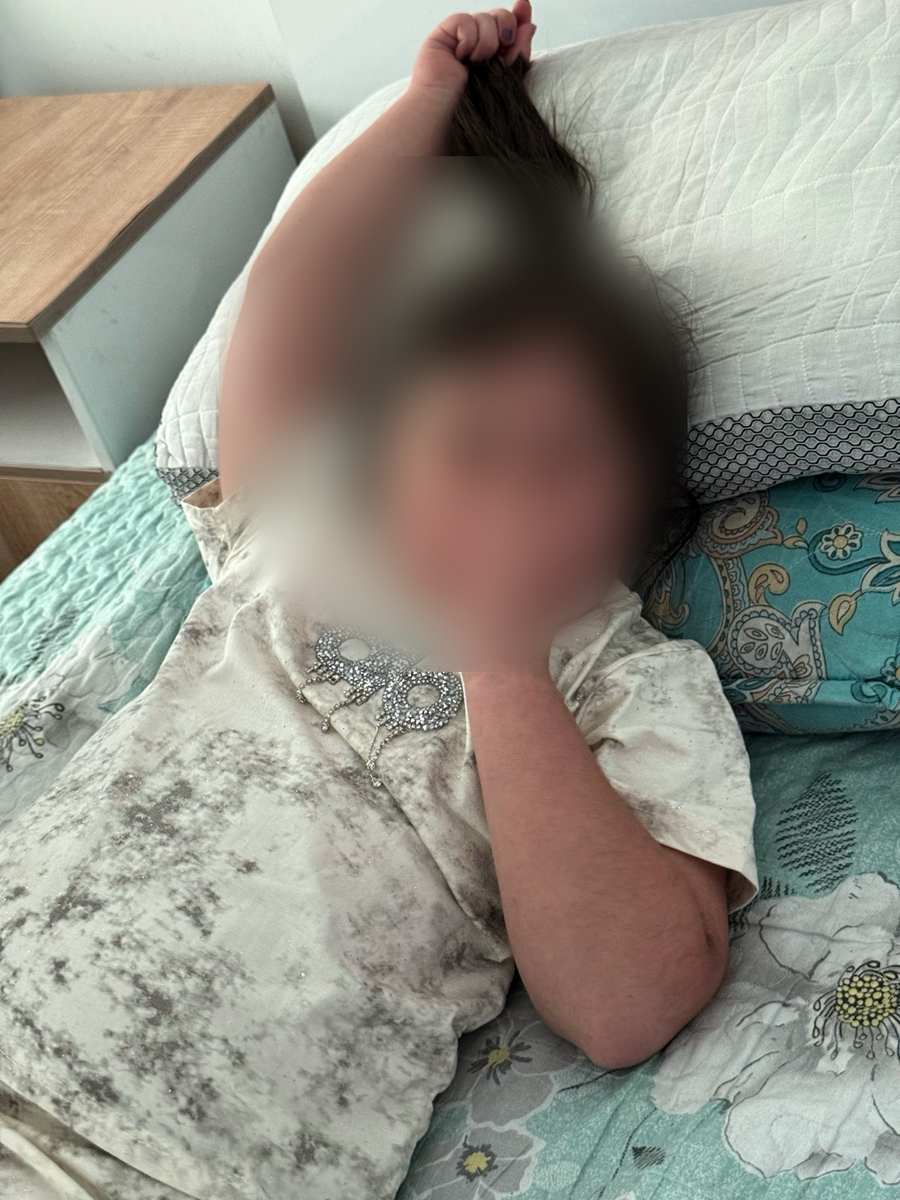
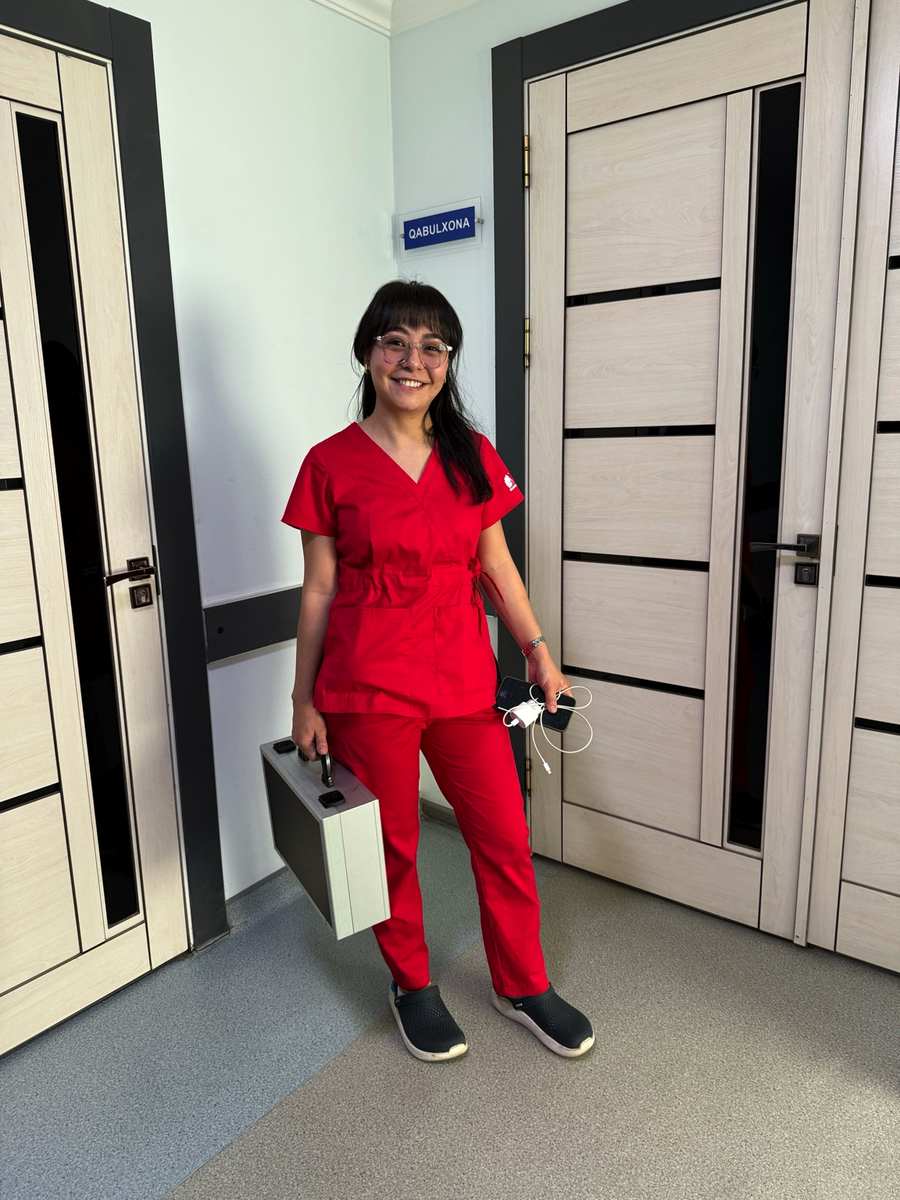
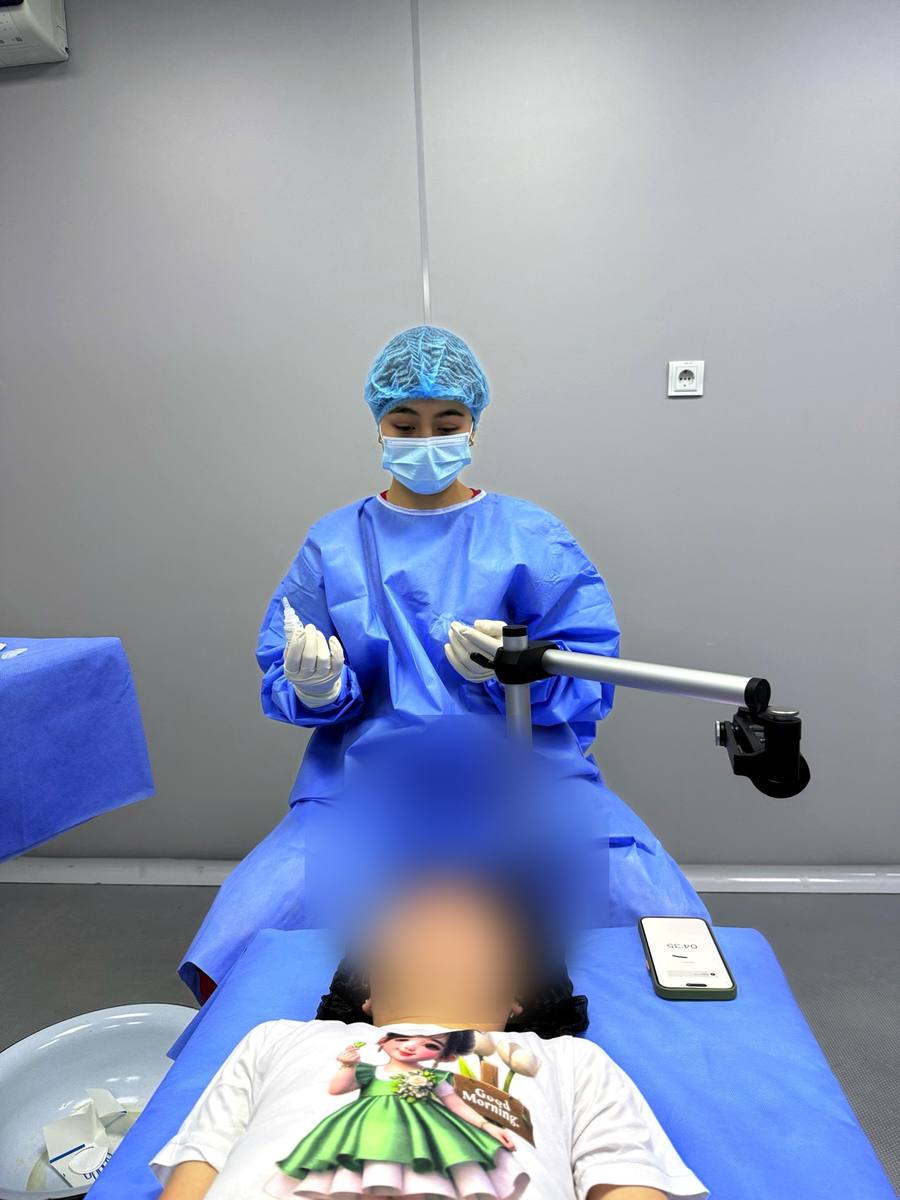
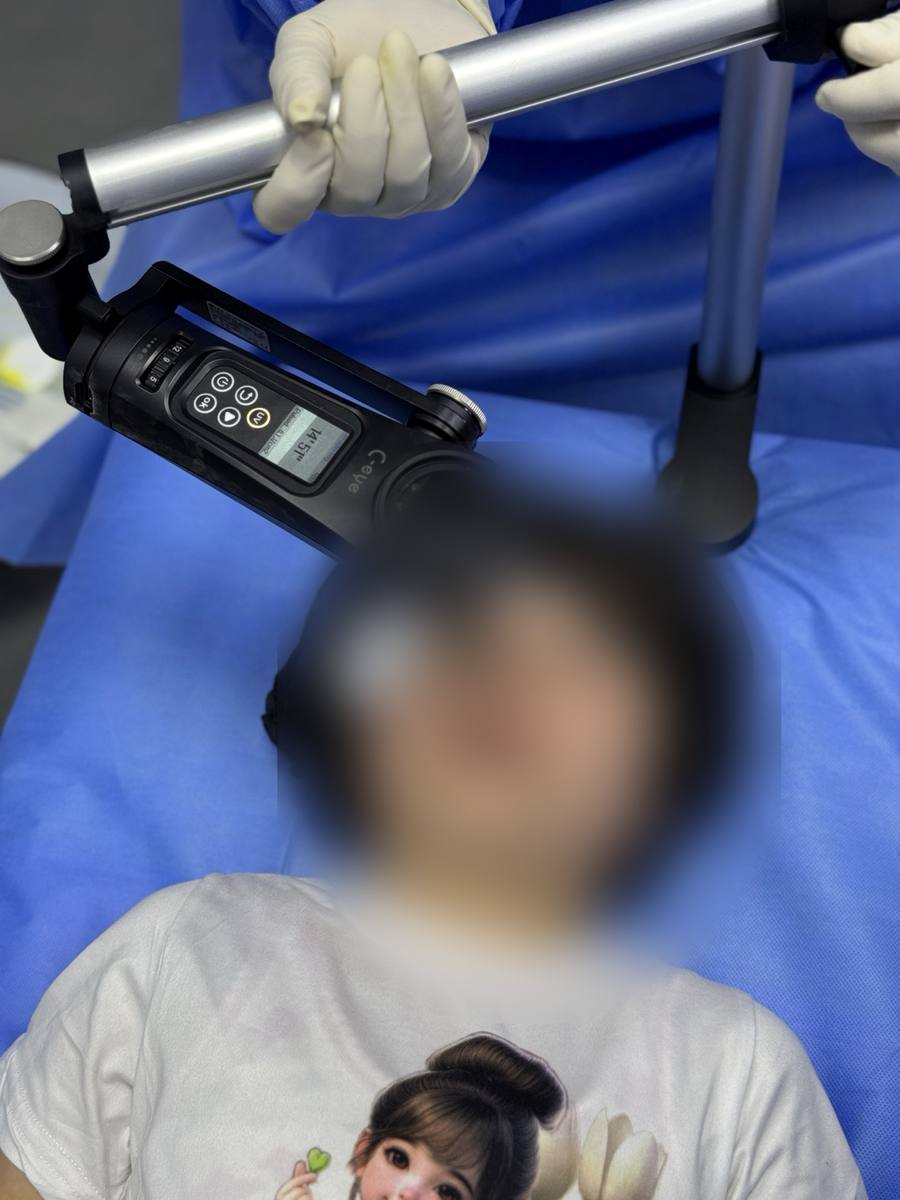
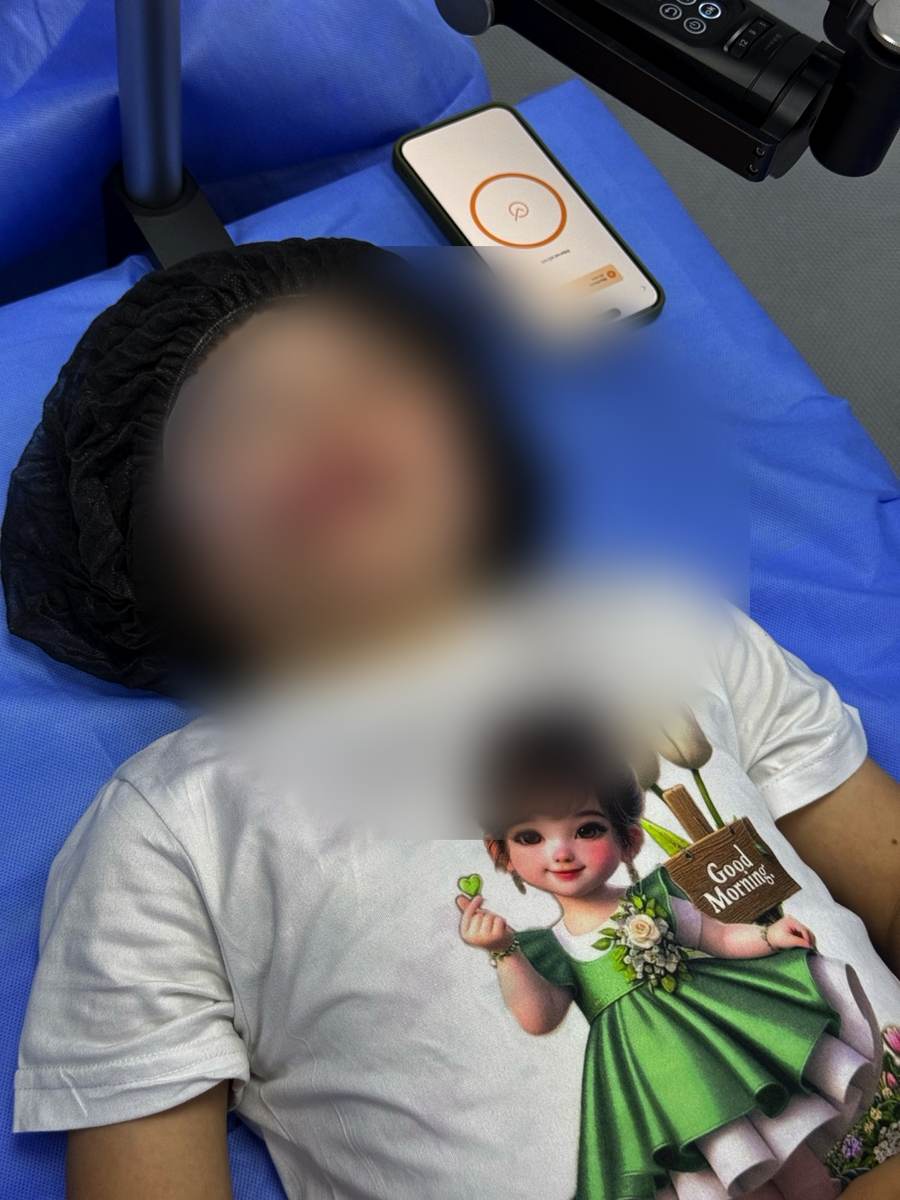
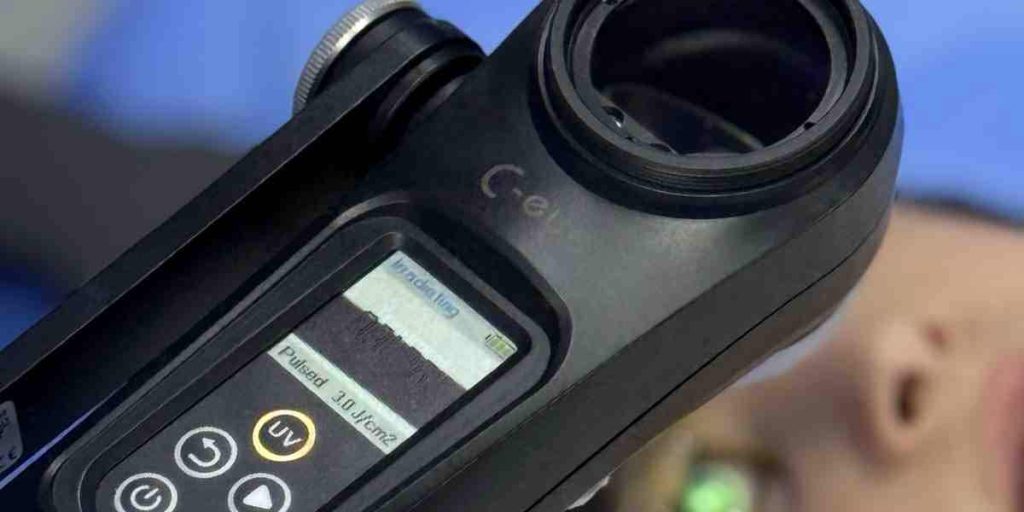
Our recent clinical trip to Bukhara, Uzbekistan, was about completing a promise. During previous screening visits, our team had identified two young patients with keratoconus. The first was a 9-year-old girl with Down syndrome from Samarkand, diagnosed during our visit in June 2024. The second was a young girl from Bukhara, identified during screening in May 2025. Both had already undergone epi-on corneal cross-linking in their first eye. On May 14, 2026, we brought both children together at the Bukhara branch of the Republican Specialized Scientific-Practical Medical Center of Eye Microsurgery to treat their second eye.
Returning to treat the second eye
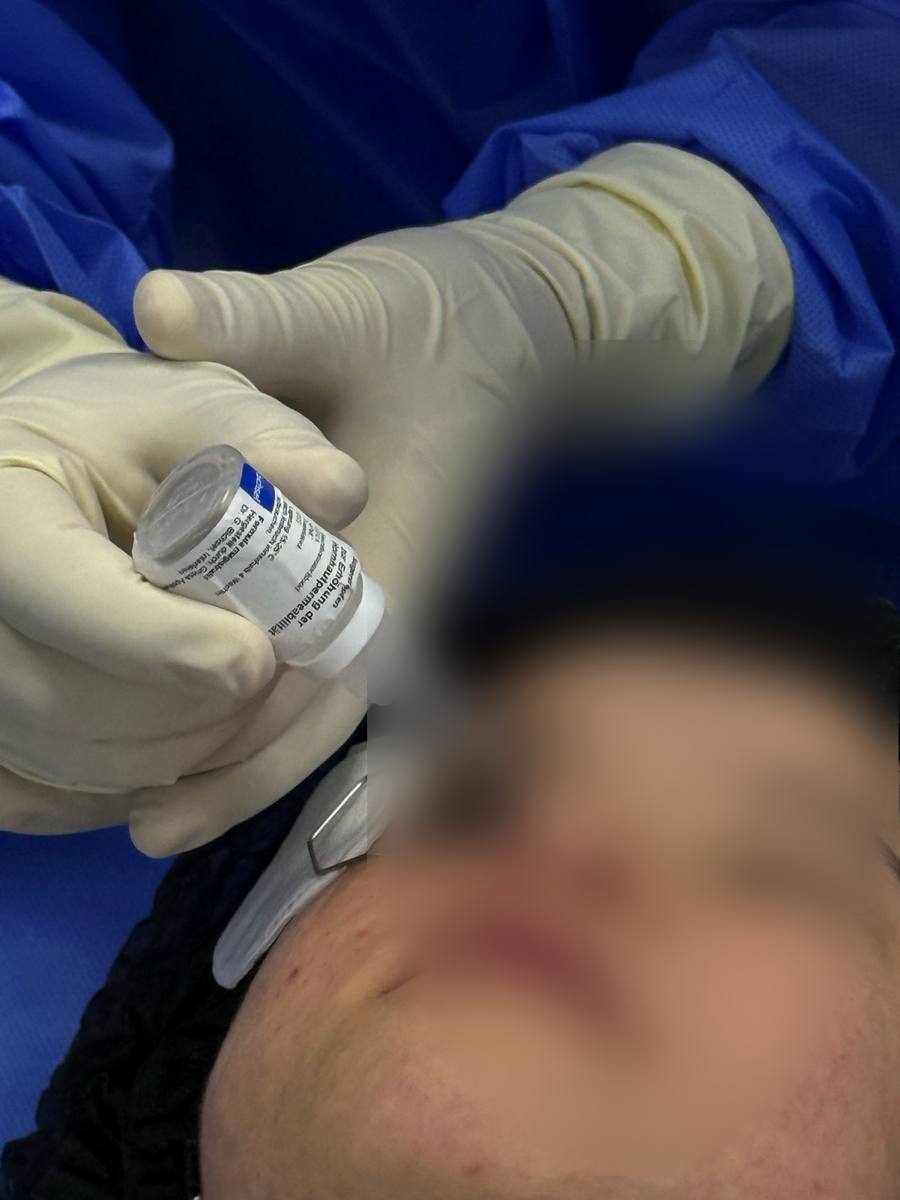
For children with keratoconus, treating one eye is an important step. But when both eyes are affected, the mission is not complete until both are protected. The goal of CXL is to stop disease progression by strengthening the corneal tissue. In practical terms, this means helping preserve the child’s remaining visual potential before further corneal distortion occurs.
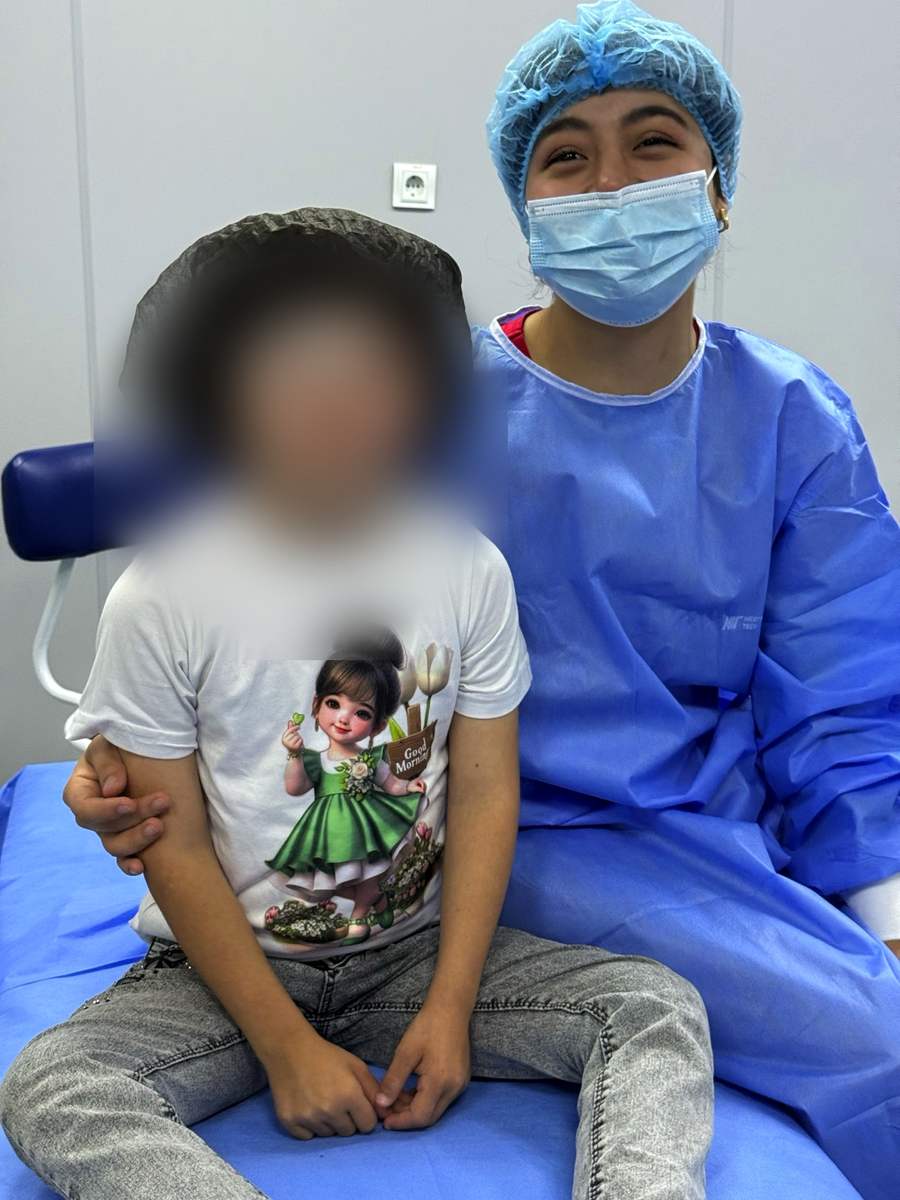
Both children came to Bukhara with their families for second-eye epi-on CXL. The girl from Samarkand was calm, cooperative, and engaged throughout the procedure. Her composure made the treatment process smooth from beginning to end. The child from Bukhara found the experience more difficult, so we worked with an anesthesiologist and used light sedation to keep her comfortable and safe during treatment.
This kind of flexibility is essential in paediatric care. Some children can cooperate fully during a procedure. Others need additional support. The clinical goal remains the same: to deliver treatment safely, humanely, and with the least possible distress.
Small gifts, large meaning
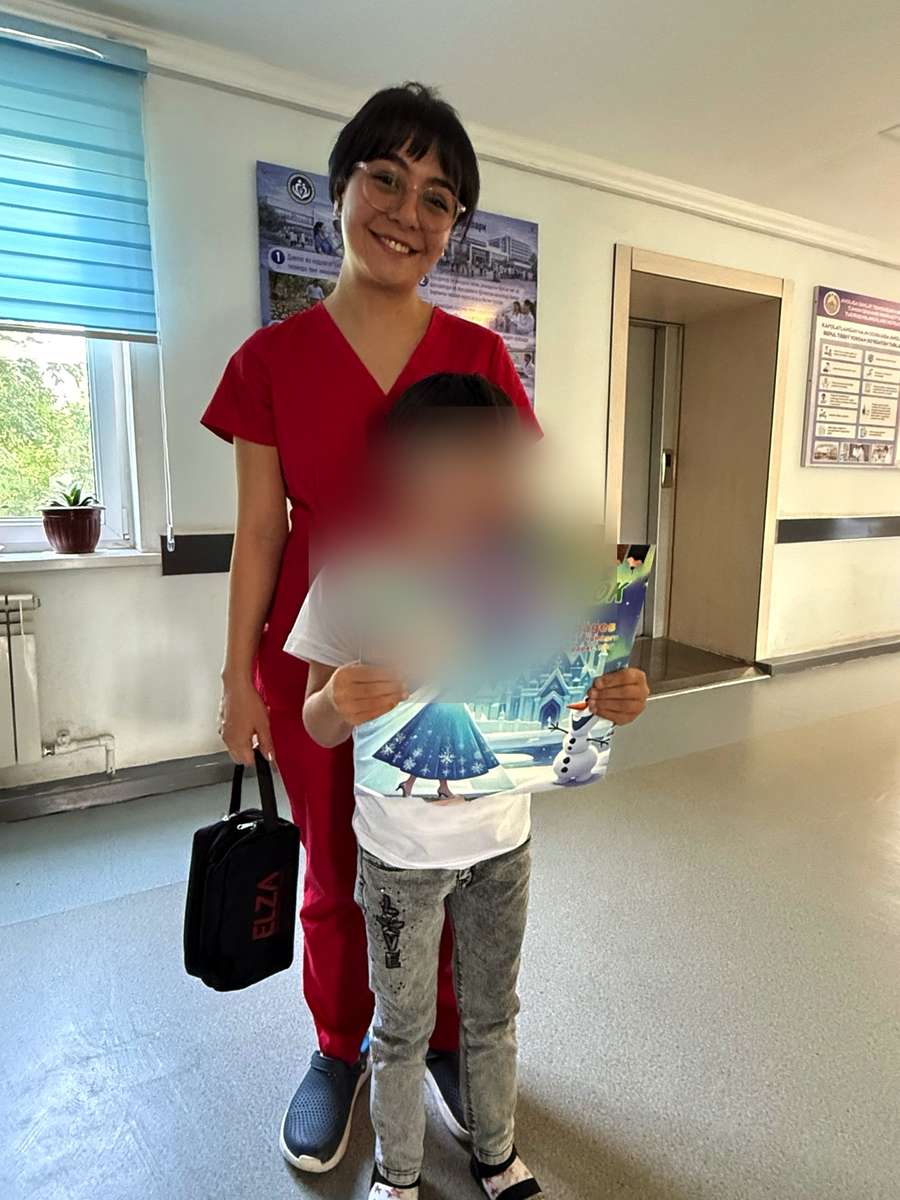
Both procedures went well. The children were comfortable afterward and recovered without immediate difficulties. To mark their bravery, we gave both girls small gifts: colouring books featuring their favourite cartoon characters.
This may seem like a small detail, but in paediatric care, small details matter. For a child, a medical procedure is not an abstract intervention to prevent future corneal progression. It is a real experience, often unfamiliar and frightening. A colouring book cannot change the diagnosis, but it can help turn a clinical day into something gentler and more human.
Why this work matters
The primary objective of this trip was clear: to stop the progression of keratoconus in both eyes of two young patients and preserve as much vision as possible. That objective was achieved. The procedures were painless, both patients are currently stable, and postoperative check-ups are being carried out on schedule under close supervision.
For Light for Sight, this is the point of screening programmes: not only to detect keratoconus, but to create a pathway to treatment. Children with Down syndrome and other vulnerable groups should not lose vision simply because disease was missed, referral was delayed, or treatment was inaccessible.
The work in Bukhara also reflects a broader principle. Sustainable eye care is built through collaboration: local clinicians, visiting teams, hospitals, families, and support networks all have a role. In this case, that collaboration allowed two children from different cities in Uzbekistan, Samarkand and Bukhara, to receive the treatment they needed.
The mission was simple, but important: find the children, bring them to care, treat both eyes, and follow them properly. In Bukhara, that mission was completed.
Key points
-
- Keratoconus can progress rapidly in children and adolescents, especially in patients with Down syndrome.
-
- Light for Sight identifies children at risk through screening programmes and helps them access timely CXL treatment.
-
- Two girls in Uzbekistan, one from Samarkand and one from Bukhara, had previously received epi-on CXL in one eye.
-
- In May 2026, both returned to the Bukhara branch of the Republican Specialized Scientific-Practical Medical Center of Eye Microsurgery for treatment of the second eye.
-
- Both procedures were completed successfully, with postoperative follow-up now taking place under close supervision.