Léonard Kollros

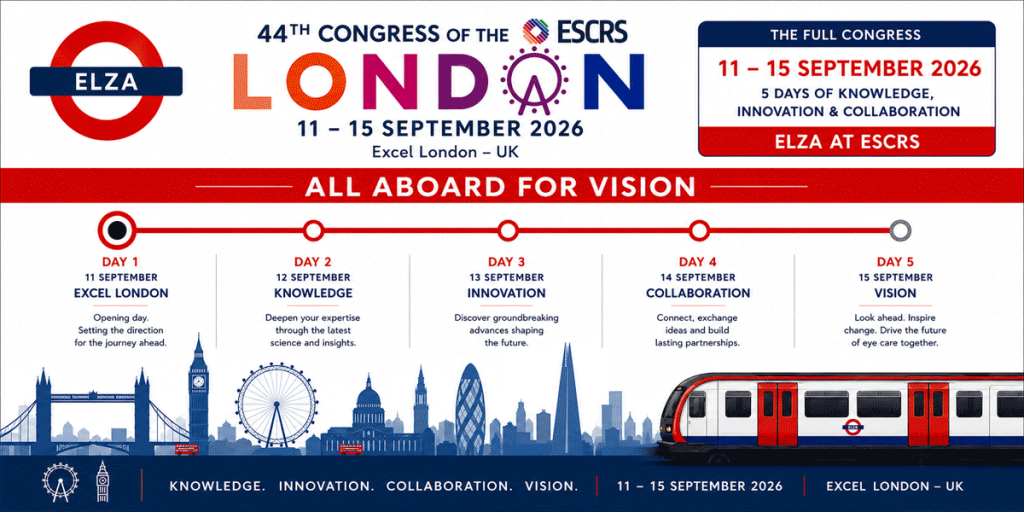
The ELZA Institute travels to the 44th ESCRS Congress at ExCeL London, 11 to 15 September 2026, with seven podium presentations, eight invited lectures, six chaired sessions and five e-posters. The programme spans ten-year cross-linking outcomes, customised ELZA-PACE, ECO-CAIRS ring segments and keratoconus screening.
ELZA researchers report 12-month outcomes for a second-generation sub400 cross-linking protocol that extends CXL to ultra-thin keratoconus and post-LASIK ectasia corneas below 400 micrometres, halting progression in 76% of eyes while shortening treatment to about 18 minutes.
The ELZA team presented at OPT-X.25 in Baden, showcasing our Zurich keratoconus treatment expertise from diagnostics and contact lenses to advanced surgical care
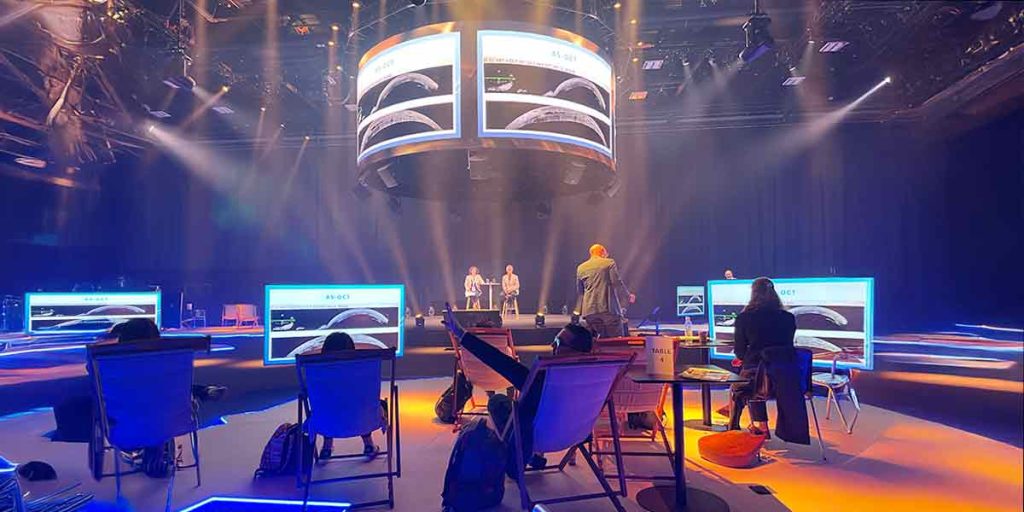
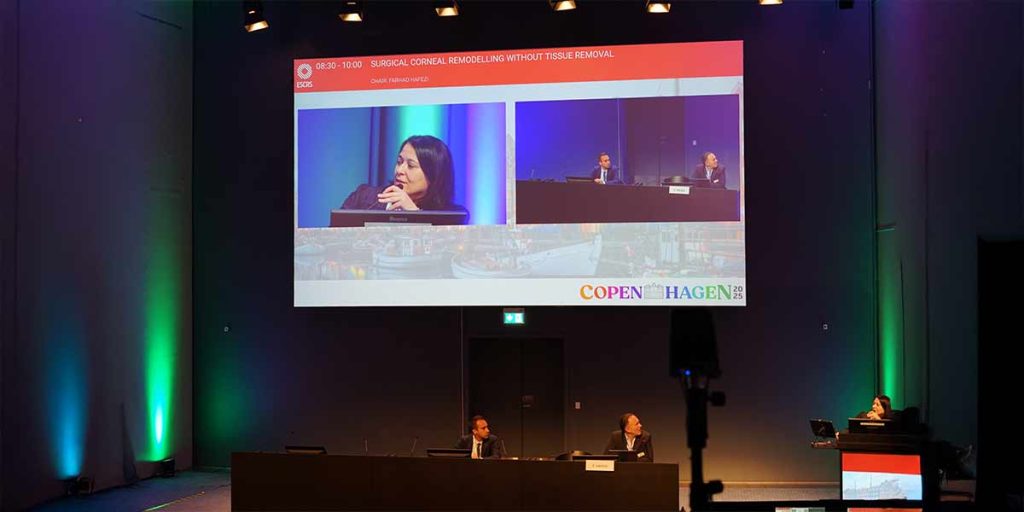
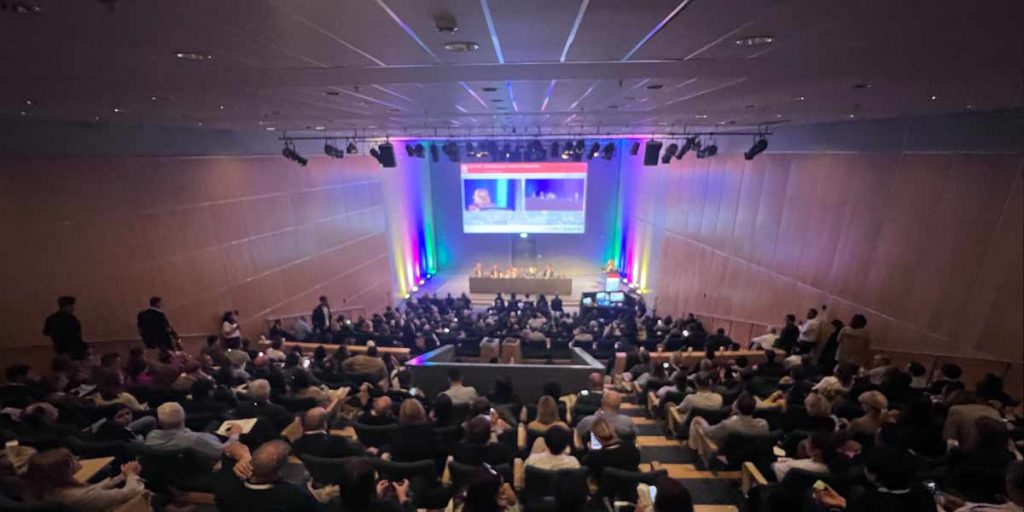
Highlights from ESCRS 2025 ELZA Institute Sunday sessions in Copenhagen, featuring advances in keratoconus, glaucoma, and corneal surgery
Highlights from ESCRS 2025 ELZA Institute Friday sessions in Copenhagen, featuring advances in keratoconus, glaucoma, and corneal surgery
Highlights from ESCRS 2025 ELZA Institute Saturday sessions in Copenhagen, featuring advances in keratoconus, glaucoma, and corneal surgery
From 12–15 September 2025, the ELZA team will be at the ESCRS Annual Meeting in Copenhagen. Learn more…
Our latest review on corneal cross-linking (CXL), published in Progress in Retinal and Eye Research, explores its evolution, advanced protocols like ELZA-PACE, and clinical applications.
By offering a non-surgical option that improves vision and comfort, mini scleral contact lenses can enhance the quality of life for patients with otherwise challenging visual impairments. Future research could further explore long-term outcomes and compare mini scleral contact lenses with other rehabilitative options to solidify their role in ophthalmic care.
.
.