Mini-scleral lenses cut higher-order aberrations by 97% in keratoconus, ELZA reported on Monday in London, alongside the ESCRS Research Workshop chaired by Prof. Farhad Hafezi.
Ten-year cross-linking data, a case series of central toxic keratopathy and laboratory work on ring segments made Sunday ELZA’s busiest day at ESCRS 2026 in London.
Corneal biomechanics ran through ELZA’s Saturday in London, from a didactic course talk to data showing that more than 30% of the children of keratoconus patients already have measurable corneal abnormalities.
The ESCRS 2026 Cornea Day opened ELZA’s congress in London. Prof. Farhad Hafezi co-chaired the keratoconus session, and Dr Emilio Torres-Netto argued that cross-linking can improve vision, not only halt disease.
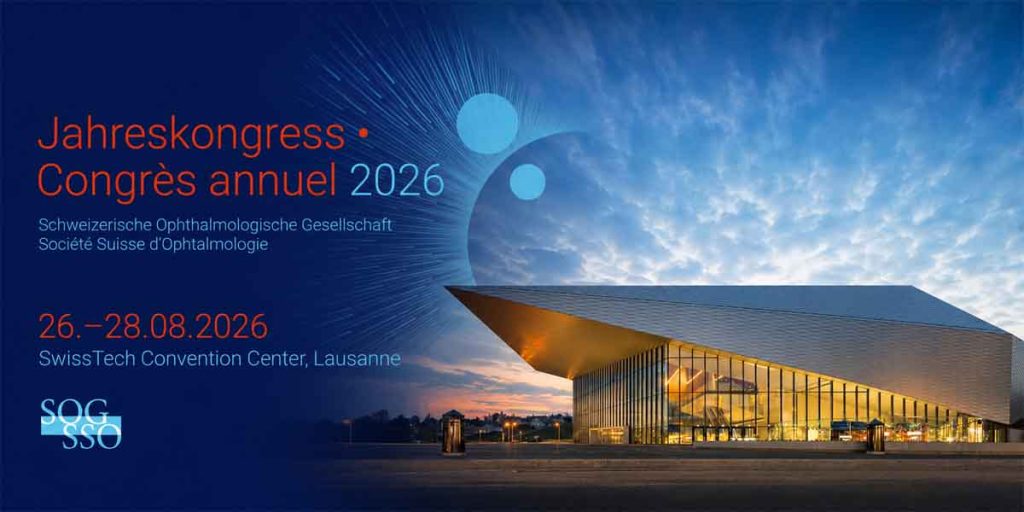
At the 119th SOG annual congress in Lausanne, Prof. Farhad Hafezi chaired the ESCRS session on the second global keratoconus consensus, and Dr. Emilio Torres-Netto spoke on corneal biomechanics as a tool for clinical decision-making.
Dr. Emilio Torres-Netto presented ELZA-PACE cross-linking at BRASCRS 2025, a customised, tissue-preserving keratoconus vision rehabilitation method with promising clinical outcomes.
Prof. Hafezi flew to South Africa to attend OSSA 2024 and give presentations that showcased the latest innovations in corneal cross-linking and biomechanics assessments.